

Sheng Di Huang in Cancer Supportive Care
Sheng Di Huang (Raw Rehmannia) in Cancer Supportive Care: Insights from Research
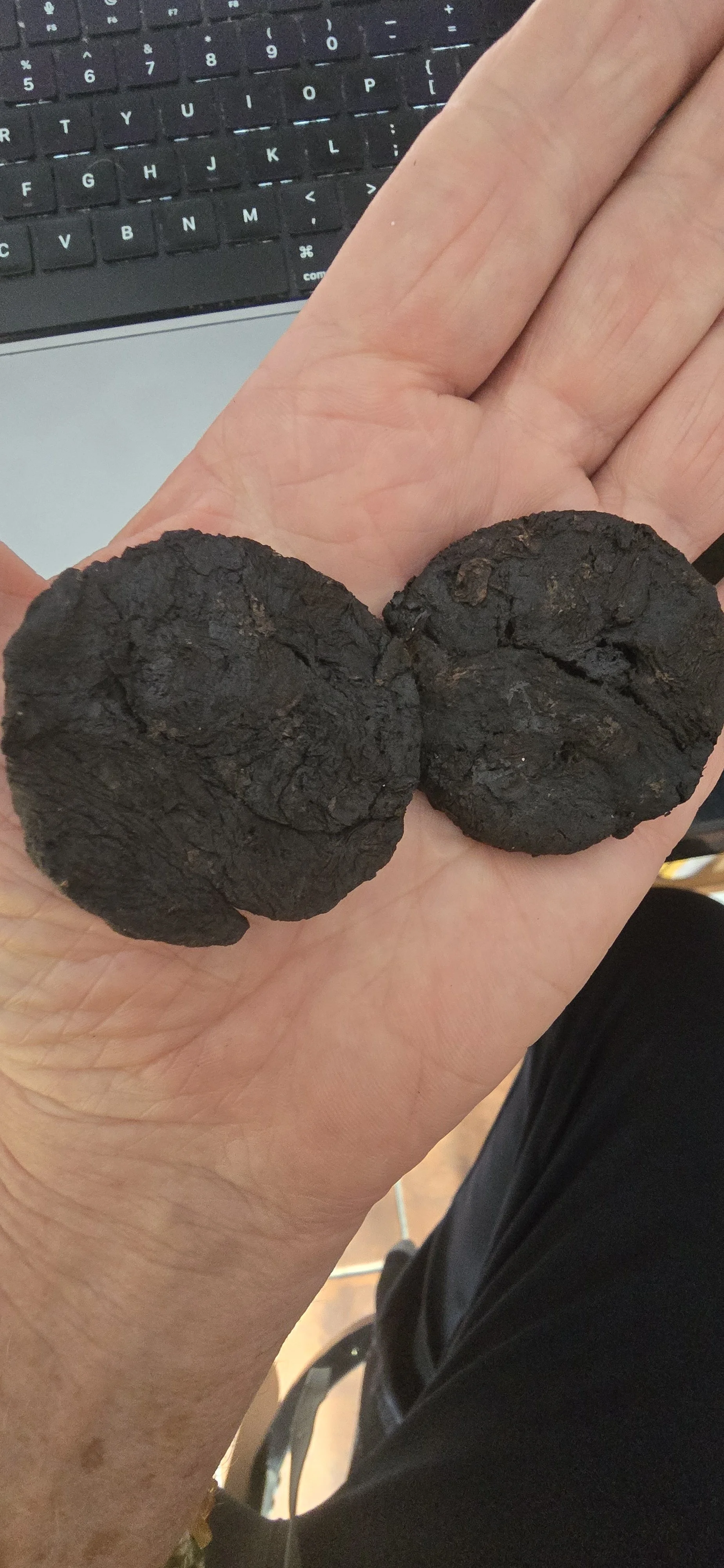
Sheng Di Huang, the raw or dried form of Rehmannia glutinosa root, is a classic cooling herb in Traditional Chinese Medicine (TCM). Unlike its prepared counterpart (Shu Di Huang), it is valued for clearing Heat, cooling the Blood, nourishing Yin, and generating fluids. These properties make it a frequent choice when patients experience heat-related or drying side effects during cancer treatment, such as radiation-induced dryness, inflammation, or yin-deficient heat signs (night sweats, dry mouth, restlessness).
What the Studies Suggest
Specific research isolating Sheng Di Huang (crude/raw Rehmannia) in oncology is more limited than for multi-herb formulas, but several findings are relevant:
A 2025 systematic review and meta-analysis of Chinese herbal medicine for perimenopausal syndrome in breast cancer patients included preparations with Rehmannia glutinosa as the principal herb. Subgroup analysis distinguished crude Rehmannia (Sheng Di Huang) from the processed form. Overall, the herbal approaches significantly improved menopausal symptom scores (Kupperman index) and certain immune markers compared with conventional care, with good safety.
Broader Rehmannia research (sometimes using extracts that include or resemble the raw form) has shown supportive potential. In one study of 60 patients with throat cancer, a Rehmannia extract used alongside standard therapy was associated with better short-term response rates and fewer radiation-related side effects. Other clinical observations and reviews note Rehmannia-containing formulas helping mitigate radiotherapy adverse effects (including in esophageal cancer) and supporting quality of life.
Laboratory work has demonstrated that compounds from Rehmannia (such as catalpol and polysaccharides) can inhibit growth of certain cancer cell lines, reduce inflammation, and modulate immune activity. These mechanisms align with its traditional cooling and fluid-nourishing actions, which practitioners often apply to counter the “heat toxin” or drying effects of radiation and some chemotherapies.
Practical Context and Caveats
In TCM oncology support, Sheng Di Huang is rarely used alone. It appears in formulas aimed at clearing residual heat, protecting fluids, and reducing treatment-related dryness or inflammatory symptoms. Because it is colder in nature than Shu Di Huang, it is typically chosen when clear heat signs predominate.
Evidence remains preliminary. Many studies involve multi-herb prescriptions rather than isolated Sheng Di Huang, and high-quality Western trials are still scarce. Potential interactions with medications and the need for pattern-specific prescribing mean it should only be used under the guidance of a qualified practitioner working alongside the oncology team.
Bottom line: Sheng Di Huang offers a cooling, yin-nourishing option within TCM supportive care for cancer patients, particularly when heat and dryness are present. Ongoing research continues to explore its role, but it is best viewed as a complementary tool rather than a primary treatment.
This post is for educational purposes only and does not constitute medical advice.