

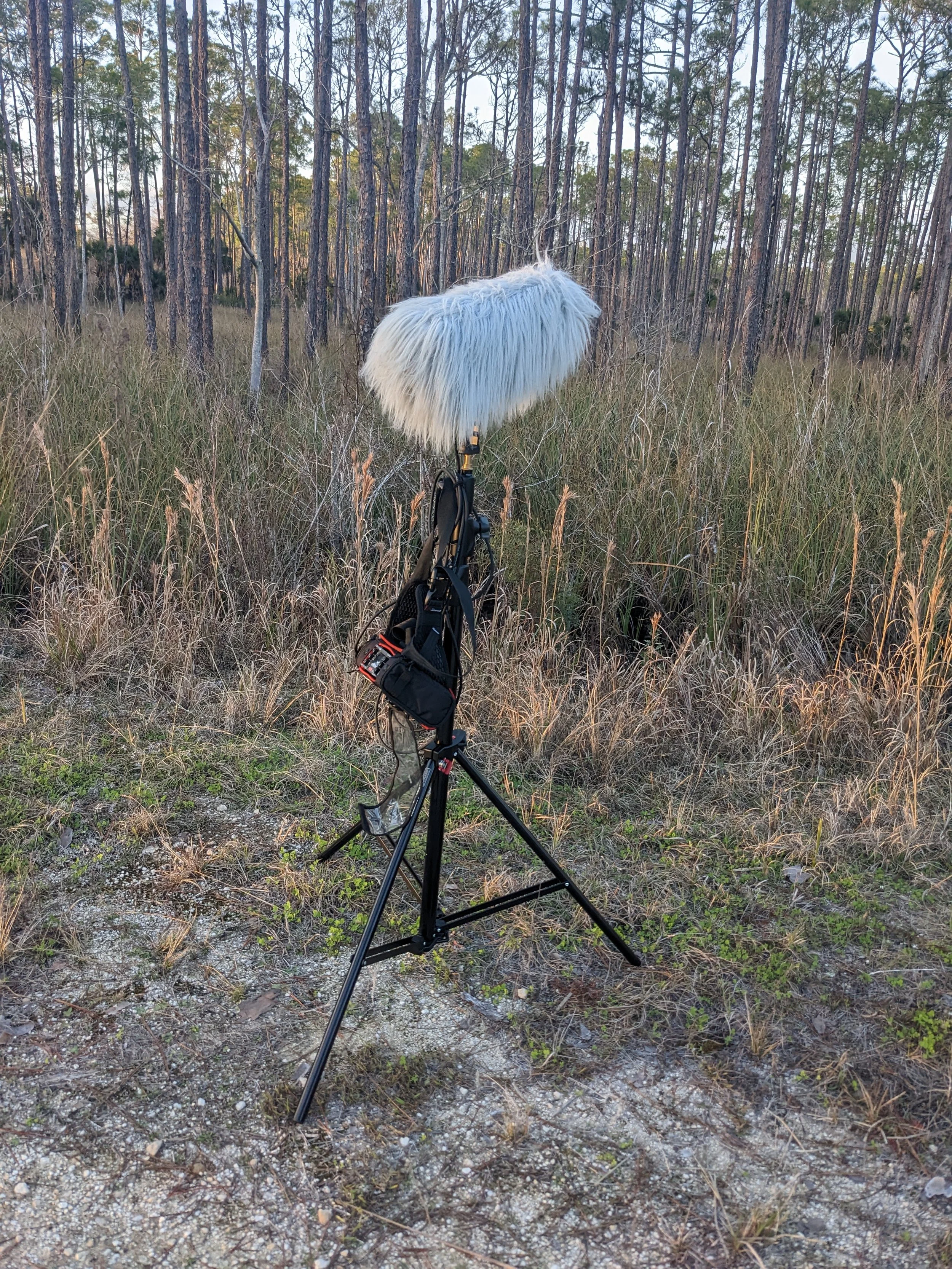
Hunting Petal and Song Essences; Personalized Cancer Care
I have come to understood that flower essence work is never just about the flower itself. When we sit with a wild native bloom, listen to it, receive its essence without harvesting a single petal, and offer thanks, we are participating in a living energetic exchange with nature and the Dao. But the flower does not exist in isolation. It grows within a full acoustic and energetic field: the wind moving through surrounding grasses, the insects, the distant frogs, the creak of branches, the subtle shifts in humidity and temperature that carry their own frequencies. If we ignore that larger field we miss much of the medicine.
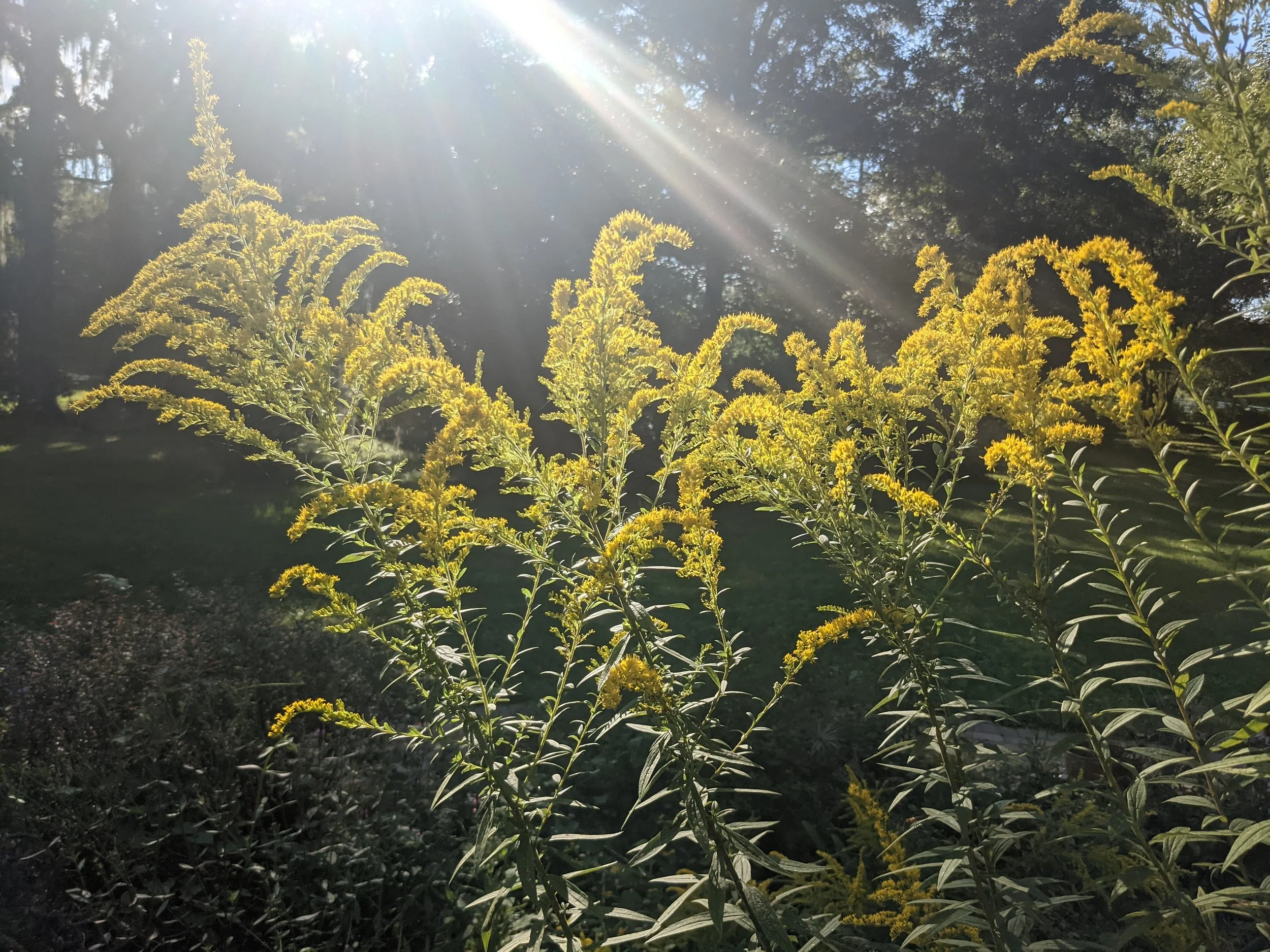
Goldenrod Flower Essence and Cancer Support
xThe genus name Solidago comes from the Latin solidare (“to make whole” or “to strengthen”), reflecting its historic role as a wound herb. Modern herbal research largely confirms anti-inflammatory, diuretic, antioxidant, and antimicrobial properties. Important goldenrod phytochemicals include flavonoids such as quercetin and kaempferol, saponins, phenolic compounds. Some laboratory and animal studies have explored cytotoxic or antitumor effects on certain cell lines,. Read more….
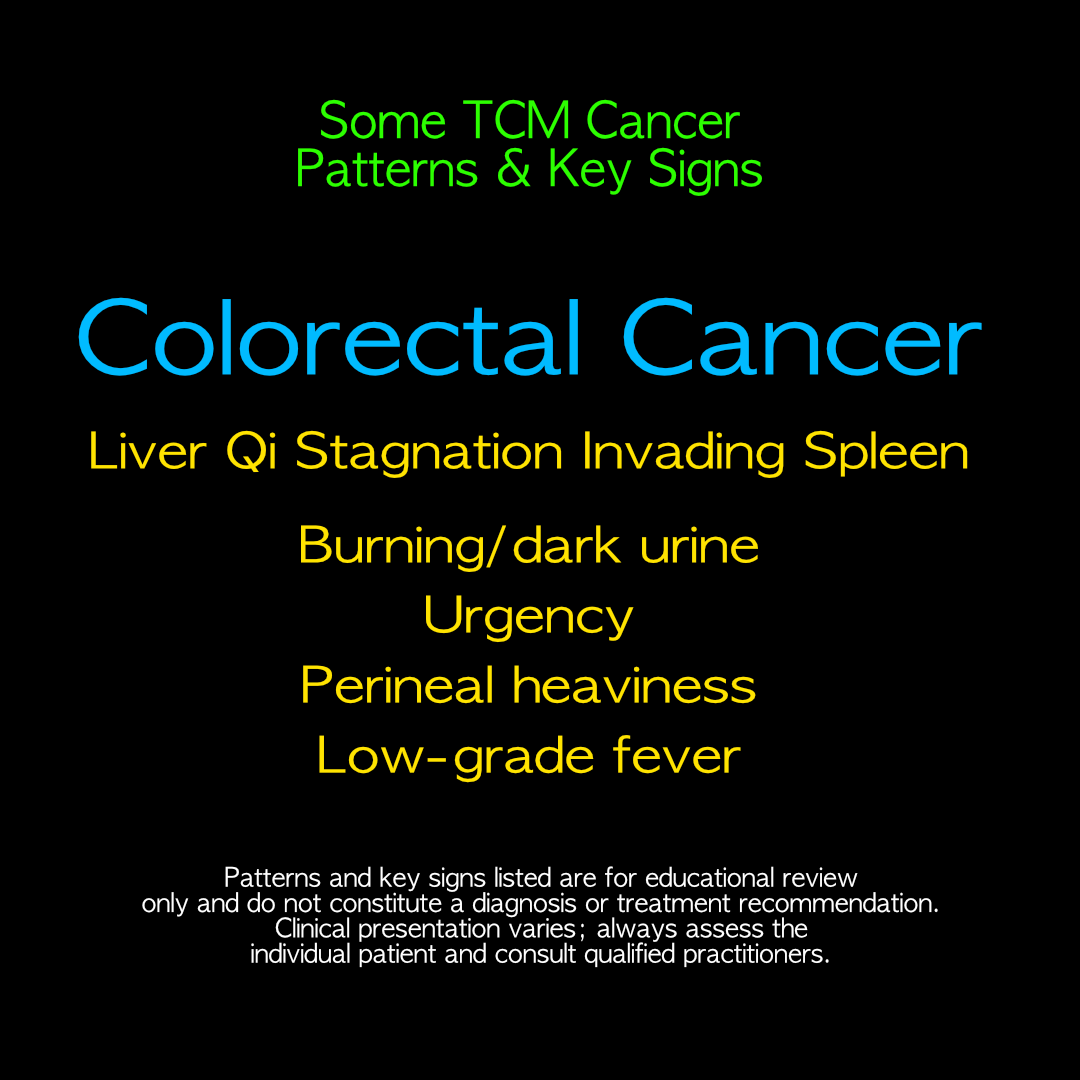
Colorectal Cancer and Liver Qi Stagnation Invading Spleen
From a Traditional Chinese Medicine perspective the root pattern across much of colorectal disease is Spleen Qi deficiency, reflecting the close relationship between the Spleen and the Large Intestine and the Spleen’s role as the foundation of post-heaven Qi.
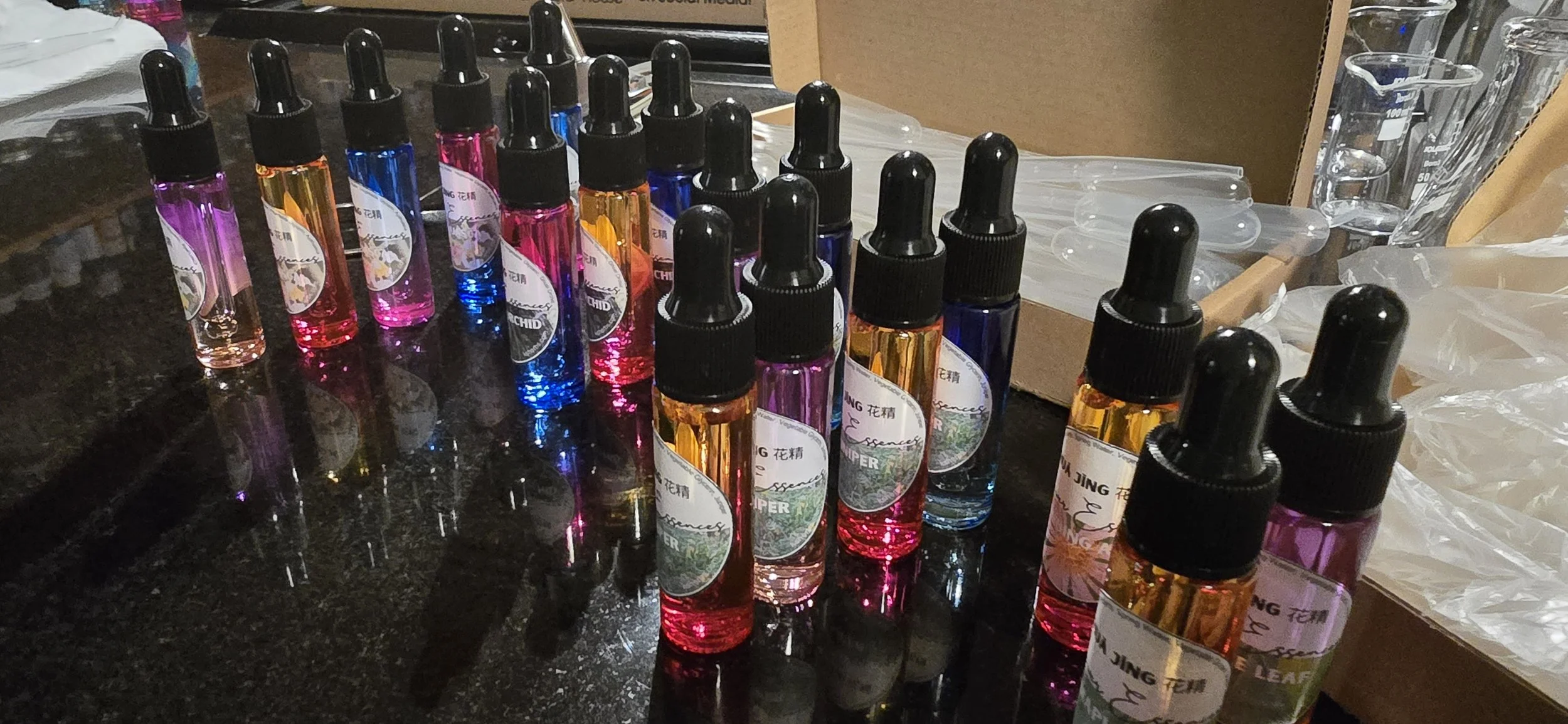
Wildflower Essences for Cancer Life Support
Native plant flower essences offer a gentle complementary approach that many people explore to support emotional balance and overall sense of well being during cancer recovery or when choosing non surgical paths. These essences capture the vibrational imprint of flowers from local plants and are traditionally prepared in ways that echo ancient practices of gathering pure natural waters. While they are not a treatment for cancer itself, their focus on emotional and energetic support can help ease stress, promote calm, and enhance daily quality of life alongside conventional care or watchful waiting approaches.
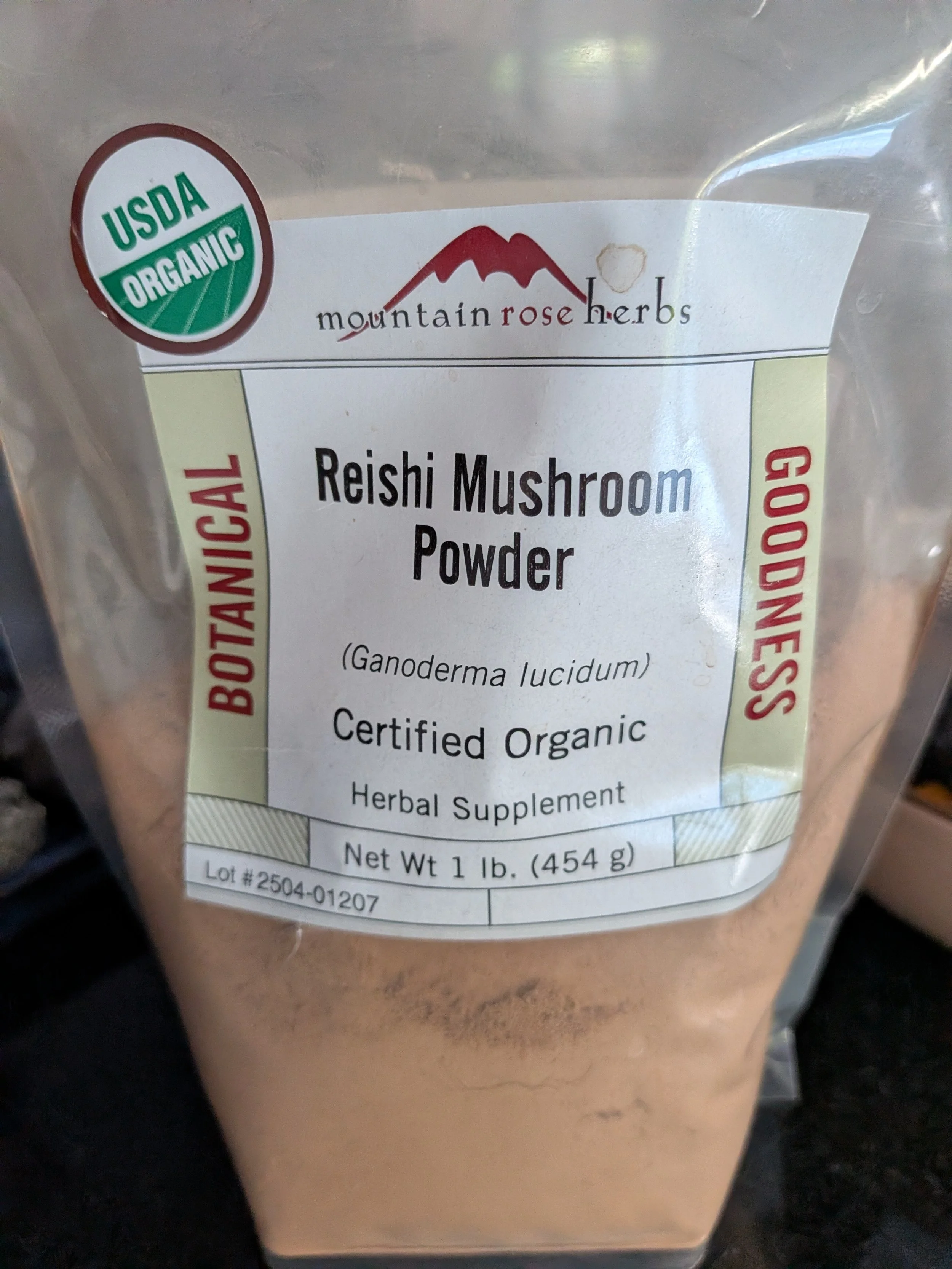
Reishi for Recovery After Cancer Surgery
Organic Reishi mushroom powder (Ganoderma lucidum, known as Lingzhi in TCM) has been used for centuries in TCM as a superior tonic herb. Classically described as sweet and neutral in nature, it enters the Heart, Lung, Liver, and Kidney channels. Its traditional actions include tonifying Qi, nourishing Blood, calming the Shen, transforming Phlegm, and supporting overall vitality without being overly harsh or drying. From a TCM perspective, these qualities make it a frequently considered supporting herb for patients recovering from major surgery, including cancer-related procedures.
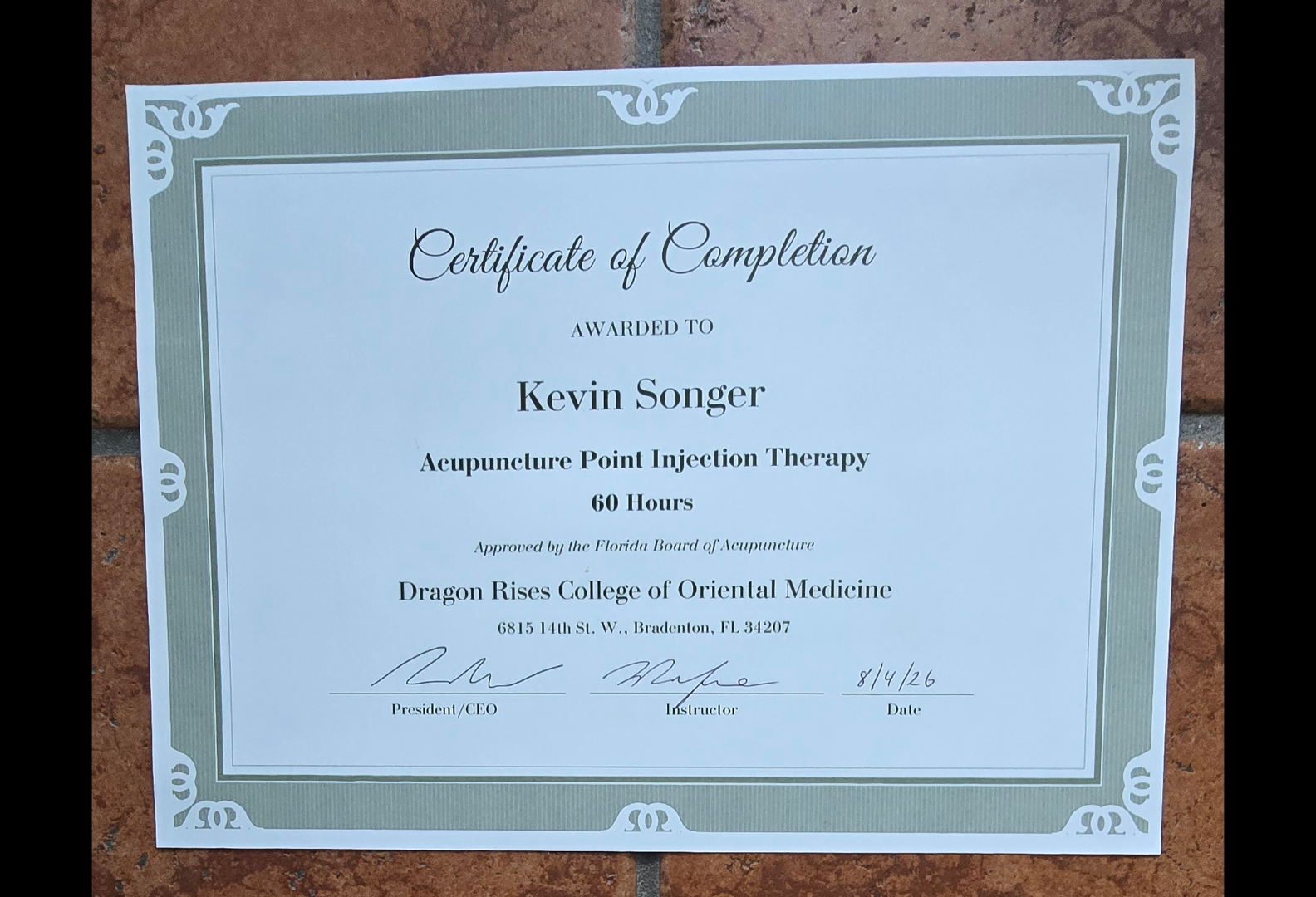
Acupuncture Injection Therapy and Cancer Treatment Support
Acupuncture Injection Therapy has become something many people turn to when they are working through the tough recovery phase after cancer treatments. It involves injecting small amounts of natural substances right into specific acupuncture points on the body. The idea is that this combines the benefits of traditional acupuncture with a more targeted delivery that can last longer and feel more supportive during healing. It goes a step further than standard needle work by delivering nutrients and supportive compounds straight into the points where they can influence the body’s recovery pathways more directly. Many people navigating the aftermath of cancer treatments find this method especially helpful because the effects often build steadily over a series of sessions rather than fading quickly. The points chosen usually relate to energy circulation digestion immune function and pain pathways so the injections can address several recovery hurdles at once.
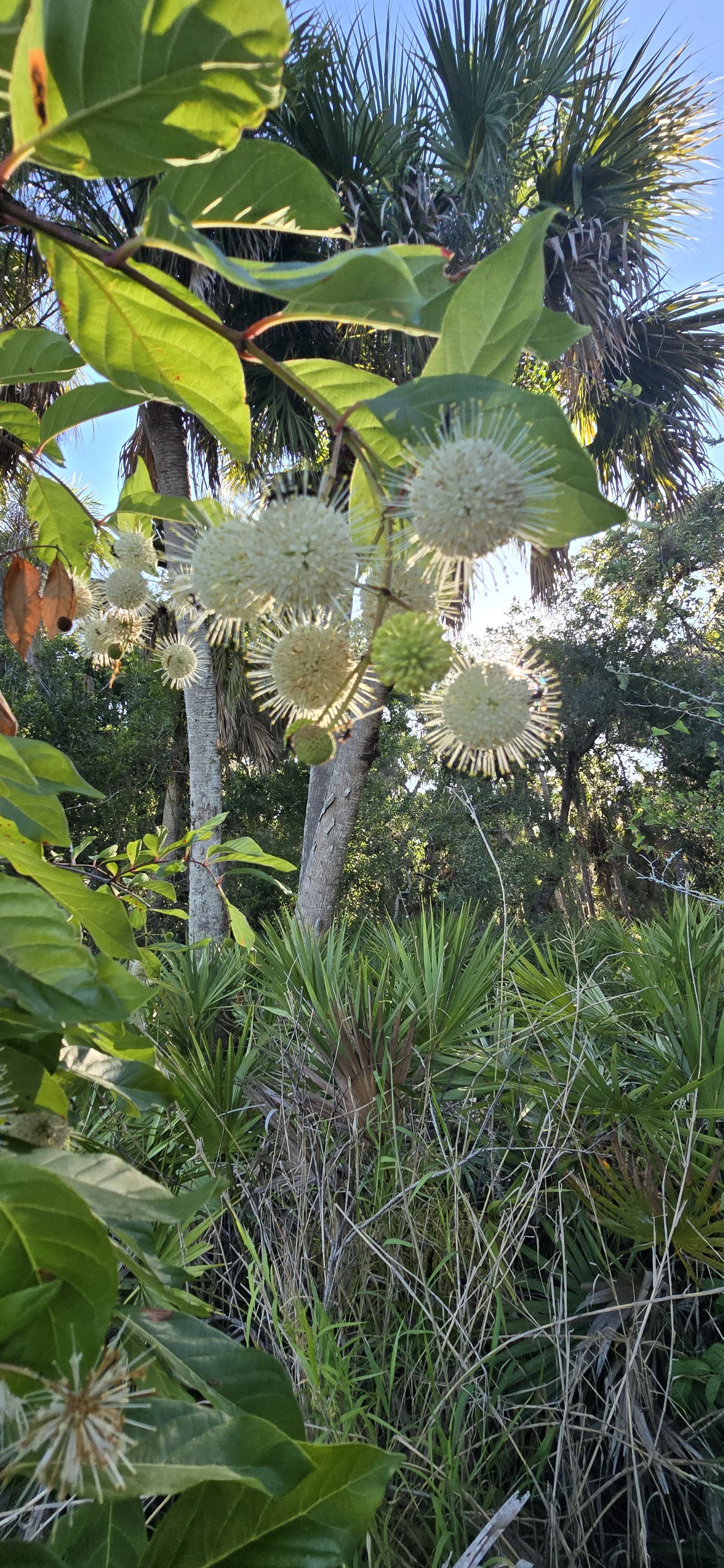
Flower Essence Hunting, Buttonbush and Cancer Support
Around the mucky perimeter of many Florida wetlands, buttonbush (Cephalanthus occidentalis) reveals one of nature’s most distinctive blooms. Clusters of tiny, creamy-white flowers form perfect spheres; soft, fragrant “honey balls” that look like miniature Sputniks or celestial orbs suspended on glossy green stems. Native to eastern North America, this shrub thrives at the water’s edge where land and liquid meet. Its presence feels both grounded and luminous, a living emblem of balance between the solid and the fluid.
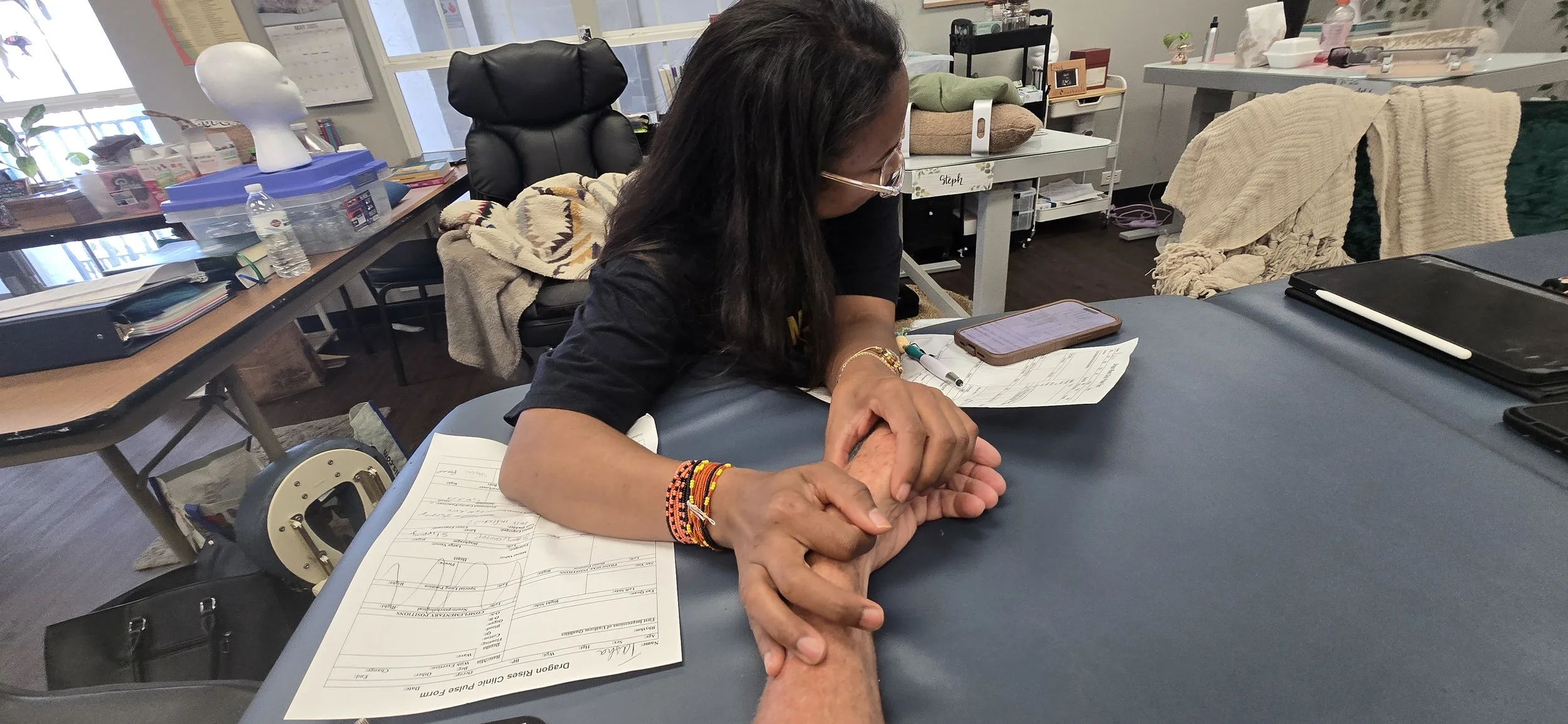
Radical Honesty and Acupuncture with the Cancer Patient
In the practice of acupuncture, especially when working with patients navigating cancer, technical skill and precise point selection matter—but they are incomplete without radical honesty. Radical honesty means creating the conditions in which a patient can share the full truth of their experience: physical symptoms, emotional realities, fears, hopes, lifestyle factors, side effects, and the unspoken burdens that often remain hidden. Without this level of disclosure, the practitioner’s understanding remains partial, and treatment risks becoming less precise, less personalized, and less effective.
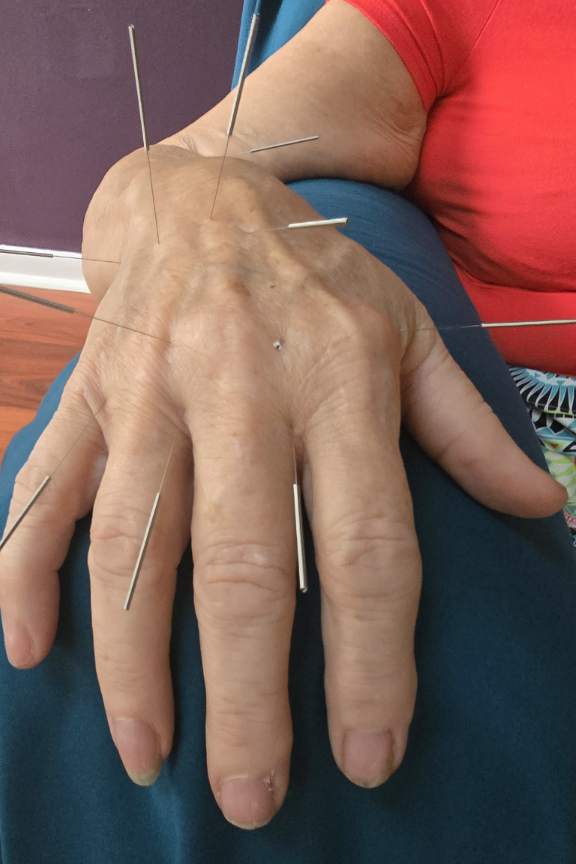
Neuropathy in Cancer: Incidence of Neuropathy by Chemotherapy Agent
Chemotherapy-induced peripheral neuropathy (CIPN) is one of the most common and challenging side effects of cancer treatment. It typically causes sensory symptoms such as numbness, tingling, burning pain, or sensitivity to cold in the hands and feet (often in a “stocking-glove” distribution), and in some cases motor weakness or autonomic issues. CIPN can limit chemotherapy doses, affect quality of life, and persist long after treatment ends.

Ocean Yin & Yang for Cancer Life
In Chinese medicine, Water belongs to the Kidneys. It is the quiet reservoir of essence, willpower, and the courage to face life’s hardest tides. Yin is not passive; it is the strength that holds, reflects, and softens without breaking.
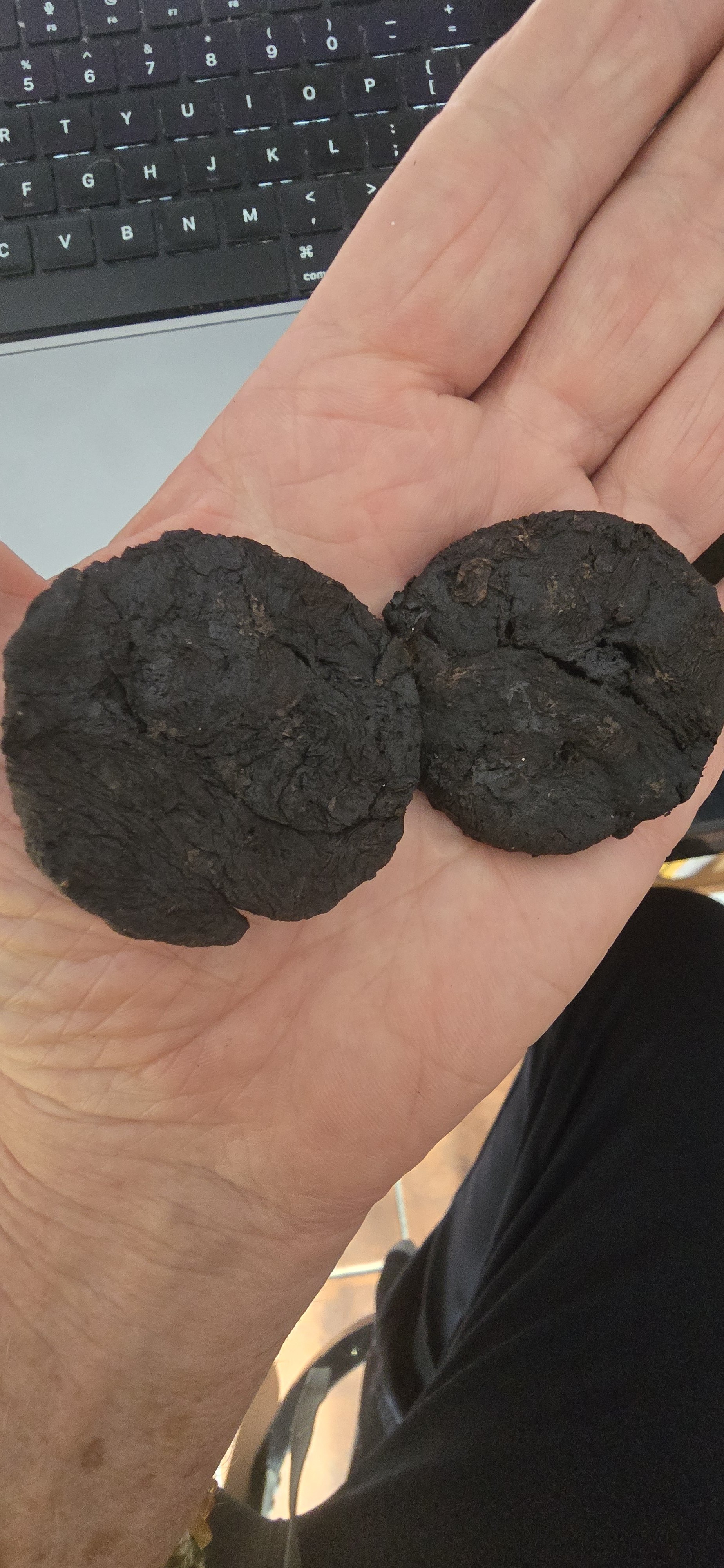
Sheng Di Huang in Cancer Supportive Care
Sheng Di Huang, the raw or dried form of Rehmannia glutinosa root, is a classic cooling herb in Traditional Chinese Medicine (TCM). Unlike its prepared counterpart (Shu Di Huang), it is valued for clearing Heat, cooling the Blood, nourishing Yin, and generating fluids. These properties make it a frequent choice when patients experience heat-related or drying side effects during cancer treatment, such as radiation-induced dryness, inflammation, or yin-deficient heat signs (night sweats, dry mouth, restlessness).
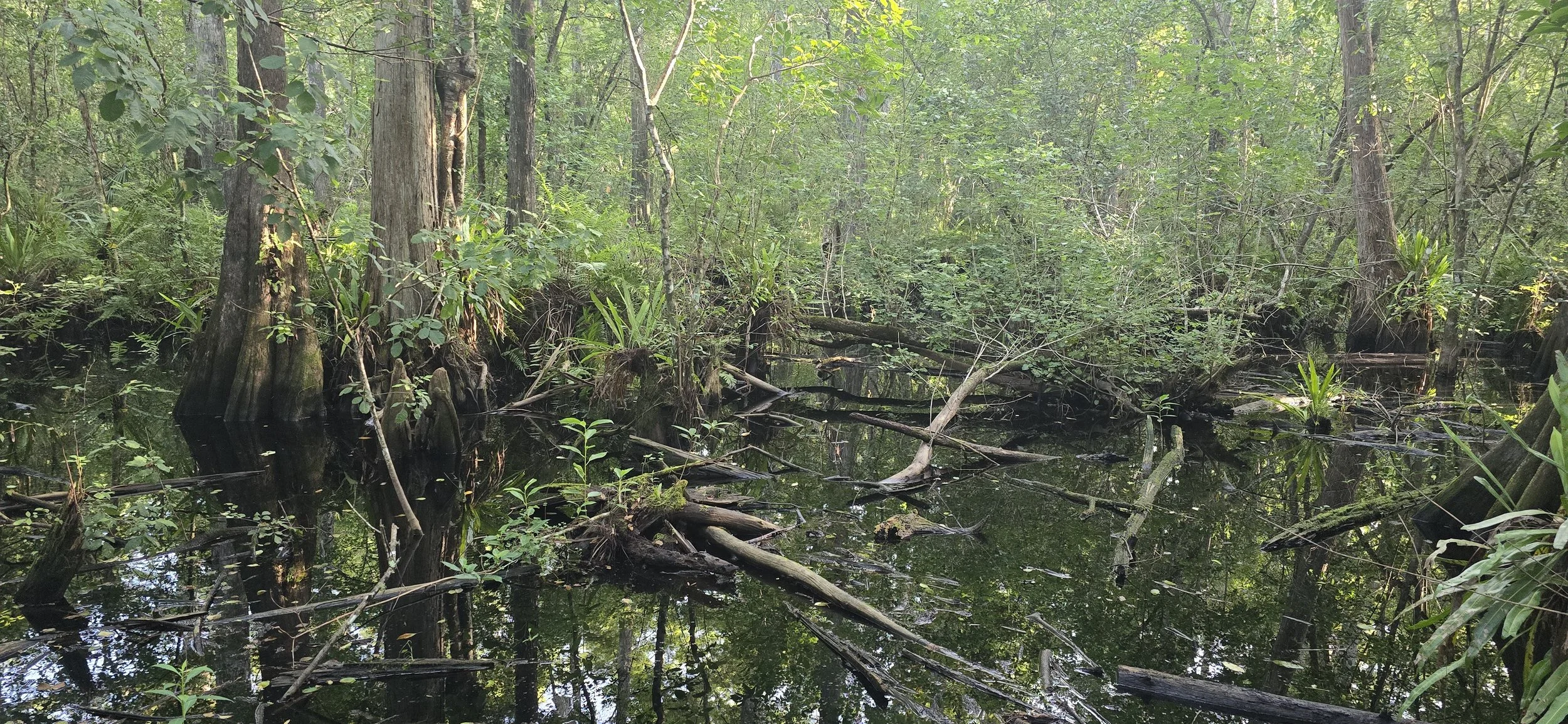
Clinically Important Plant-Derived Antineoplastic Agents
Main types of antineoplastic (anticancer) plants and ethnobotanical products fall into two overlapping categories: (1) plants that have yielded clinically approved drugs, and (2) broader ethnobotanical sources whose traditional uses or extracts show laboratory evidence of cytotoxic, antiproliferative, or related activity.
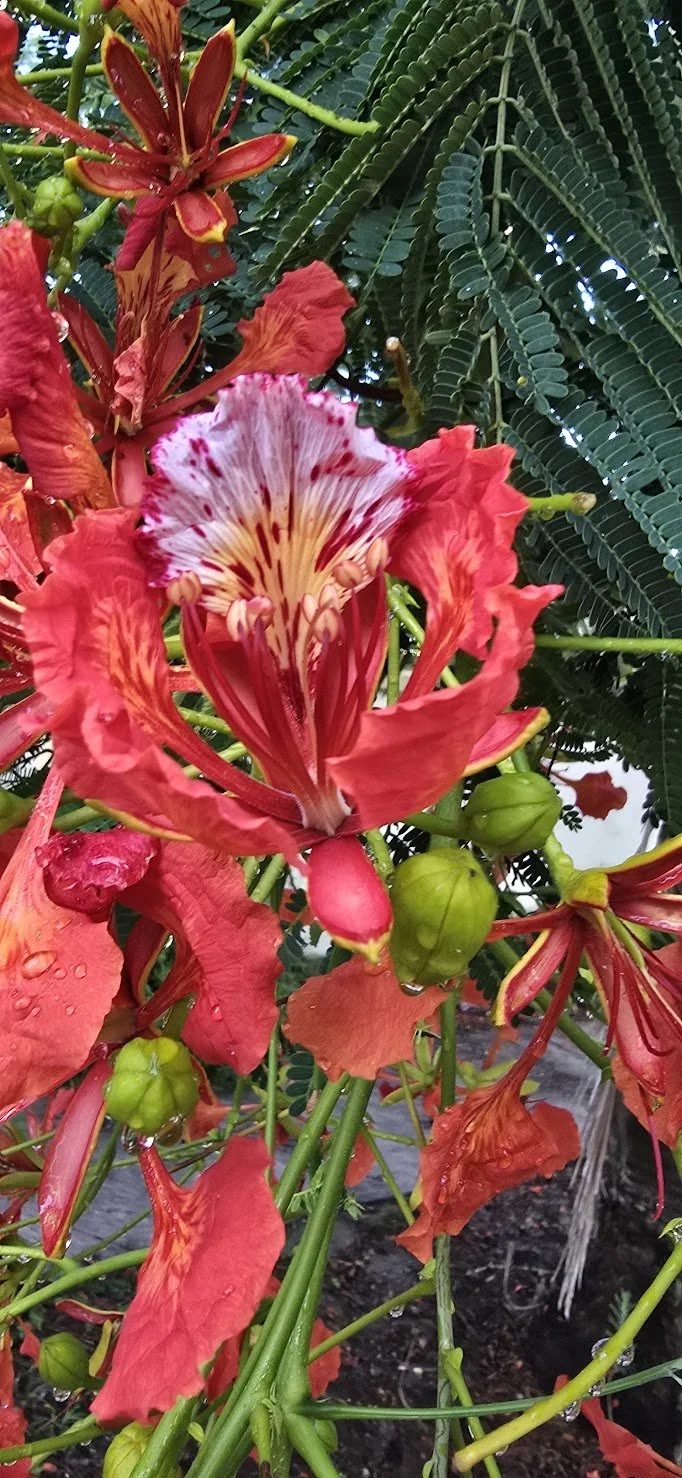
Power of Plants. Anticancer cytotoxic effects of Delonix regia (Royal Poinciana Flame Tree) extracts
The Royal Poinciana, also known as the Flame Tree or Flamboyant (Delonix regia), is famous worldwide for its spectacular display of bright red-orange flowers. Beyond its ornamental beauty, this tropical tree has a long history in traditional medicine for issues like inflammation, digestive problems, and respiratory complaints. In recent years, scientists have turned their attention to another possible property: anticancer activity observed in laboratory studies.
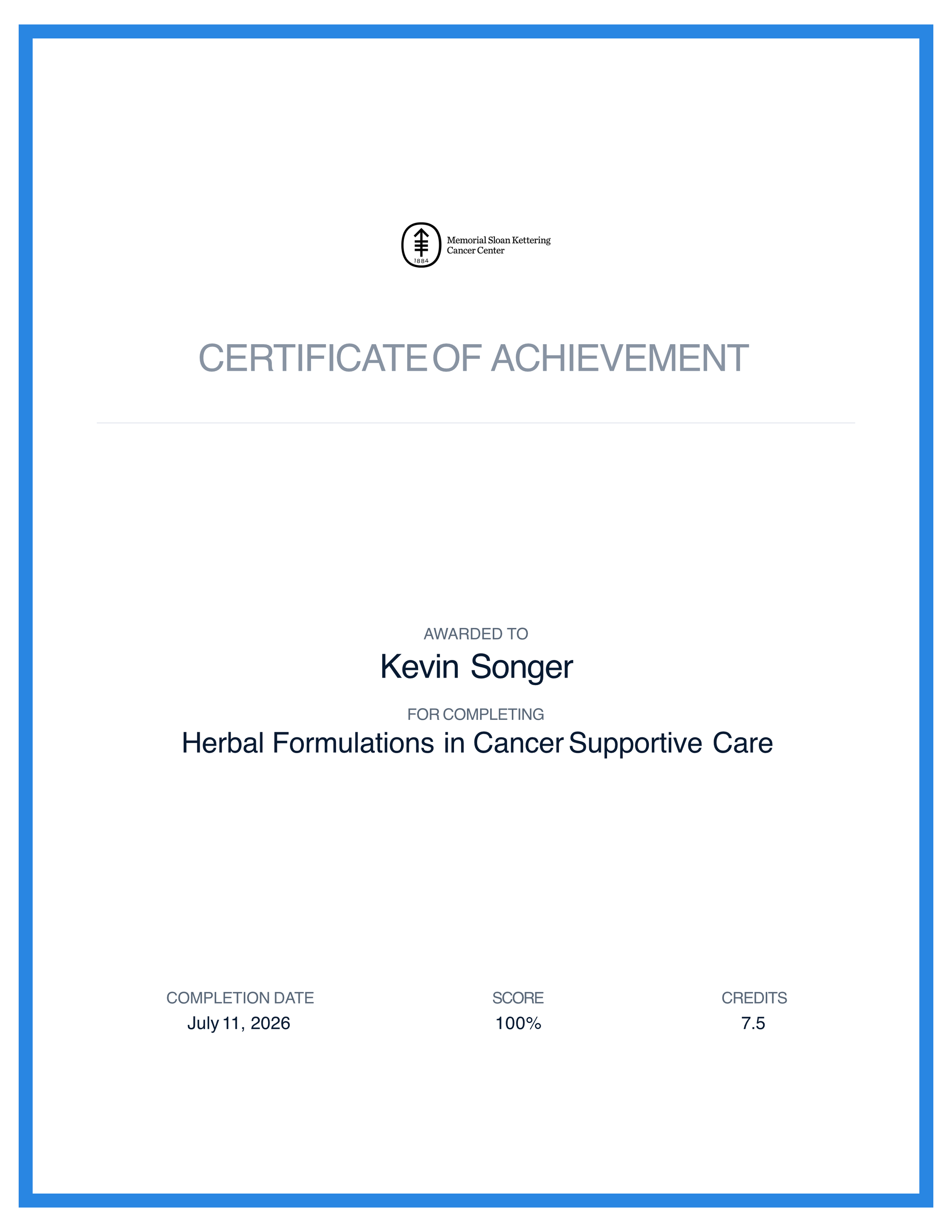
Memorial Sloan Kettering Herbal Formulations in Cancer Supportive Care Certificate
Learned so much participating in the MSKCC Herbal Formulations in Cancer Supportive Care class. I am continuing to pursue learning how TCM can support cancer treatment and recovery phases. Message me to lern more!
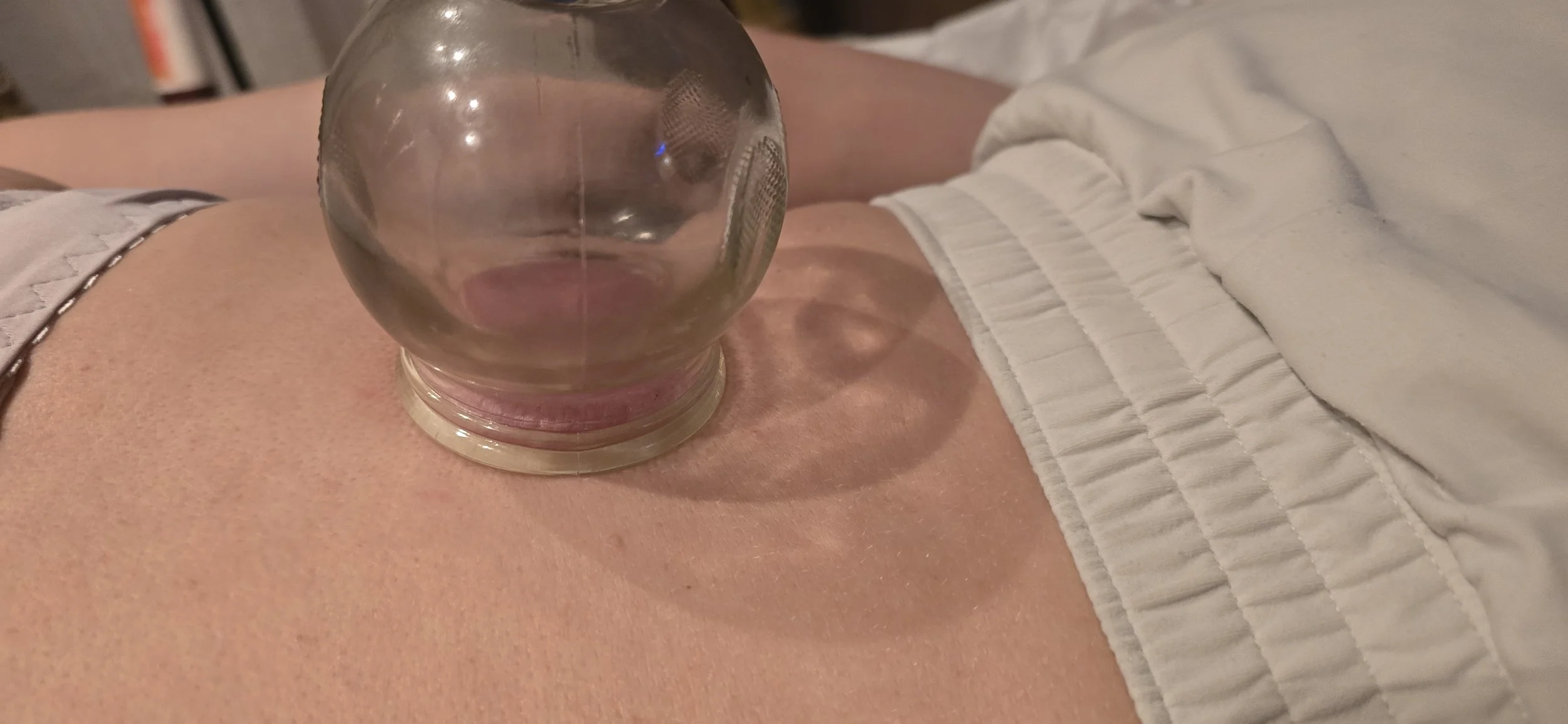
Why Gut Microbiome Health Is Vital for Cancer Patients
In Traditional Chinese Medicine (TCM), the gut is far more than a digestive tube—it is the foundation of life after birth. The Spleen and Stomach are called the “root of postnatal qi,” responsible for transforming food and drink into the qi, blood, and essence that nourish every organ and fuel the body’s defenses.
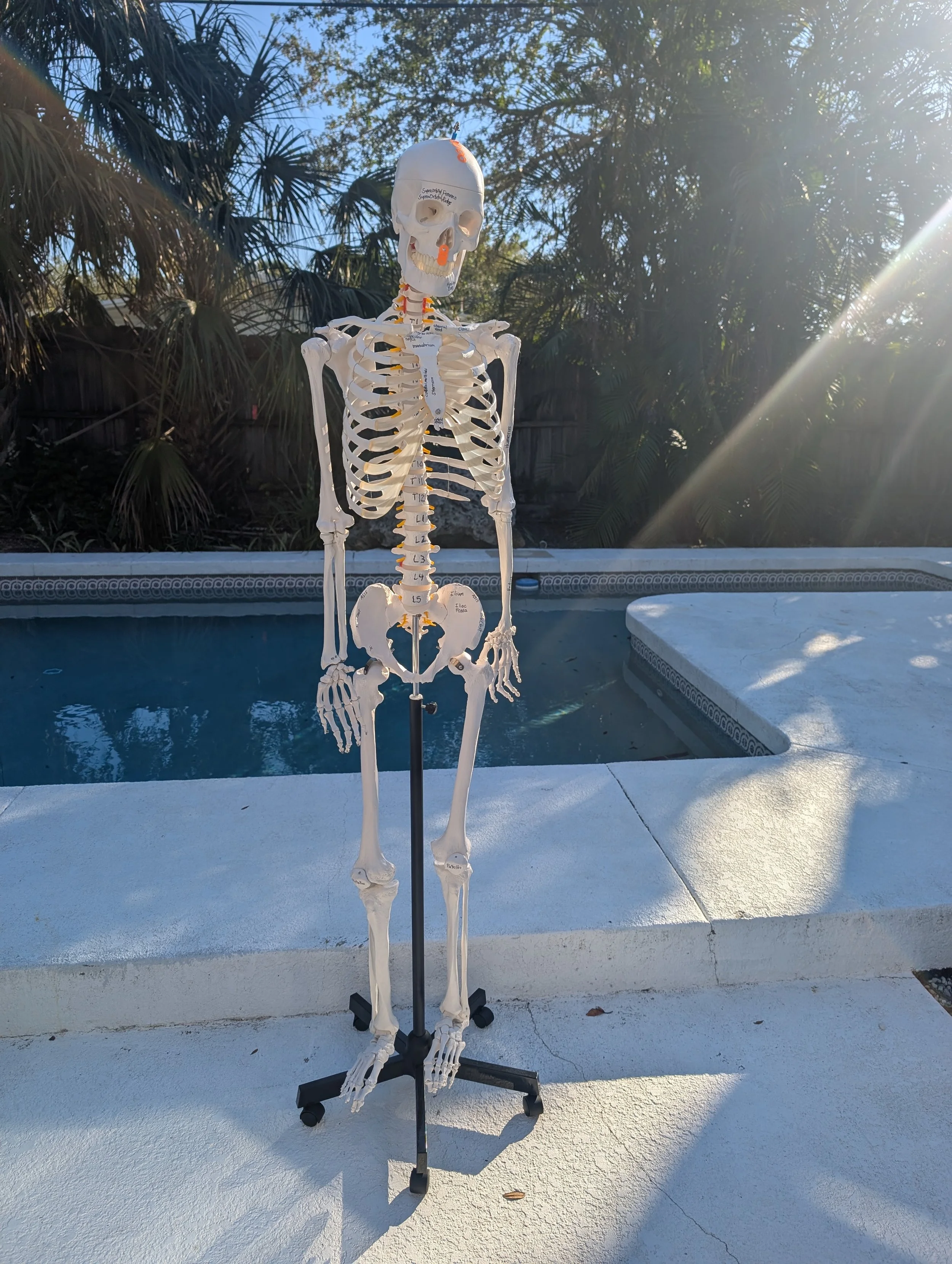
Bone Health during Chemo and Radiation treatments
Acupuncture shows promise as a complementary therapy for certain types of bone pain, particularly cancer-induced bone pain (CIBP) and osteoporosis-related pain. Evidence quality varies and is often limited by study design issues, but systematic reviews support benefits for pain relief and, in some cases, bone density.
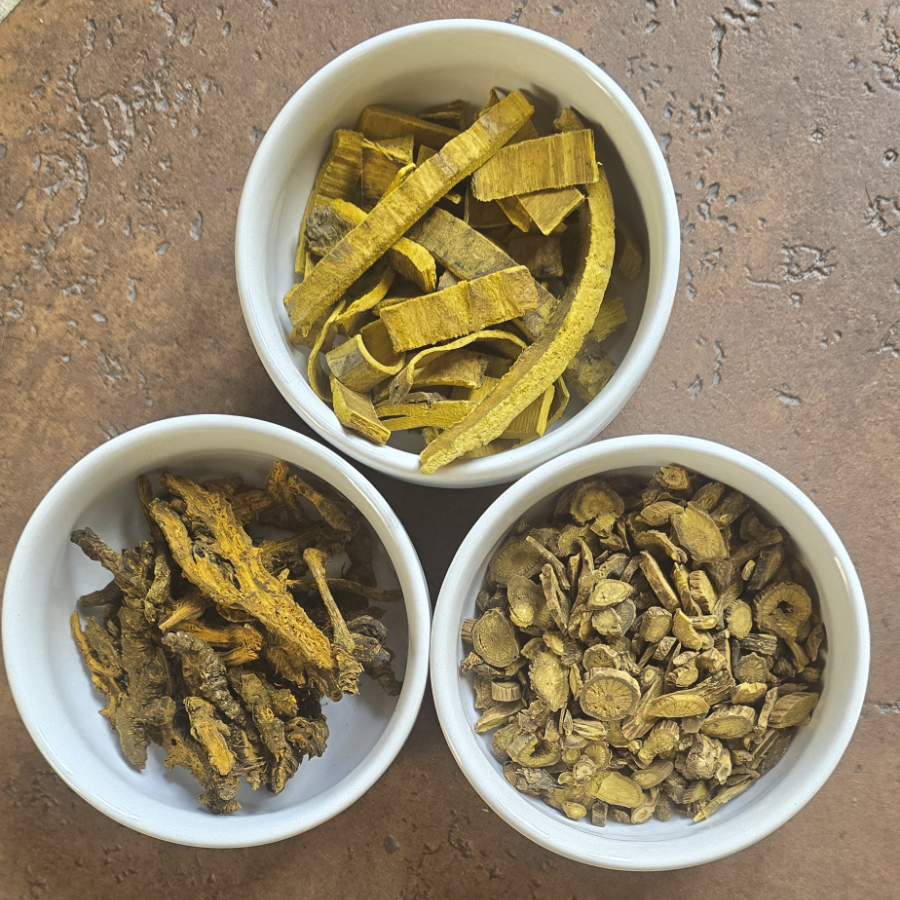
Three Cold Herbs for Cancer Symptom Treatment
The Three Huangs—Huang Qin, Huang Bai, and Huang Lian—play a key supportive role in Traditional Chinese Medicine (TCM) formulas aimed at easing certain cancer-related symptoms by clearing heat, drying dampness, and resolving toxicity.
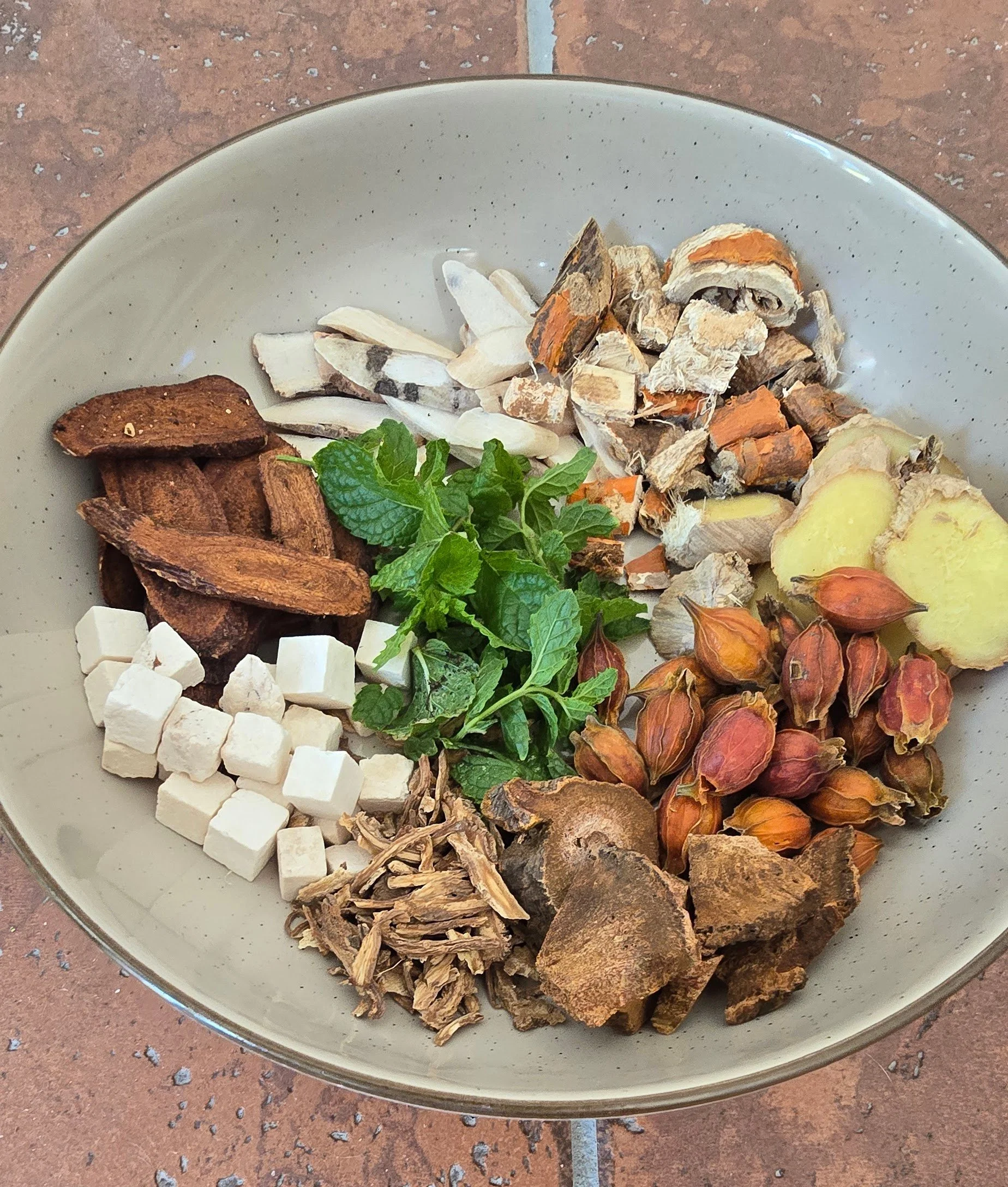
Jia Wei Xiao Yao San: TCM Support for Cancer Patients
Jia Wei XYS is frequently used by breast cancer patients on tamoxifen and may help reduce side effects like mood swings, fatigue, insomnia, and nausea when combined with chemotherapy. Some studies link it to improved quality of life, better short-term treatment efficacy, and potential survival benefits in certain cancers such as cervical, though evidence is mostly from observational data and needs more high-quality trials. It primarily serves as supportive care for psychological and menopausal-like symptoms. Always discuss herb use with your Oncologist before use.
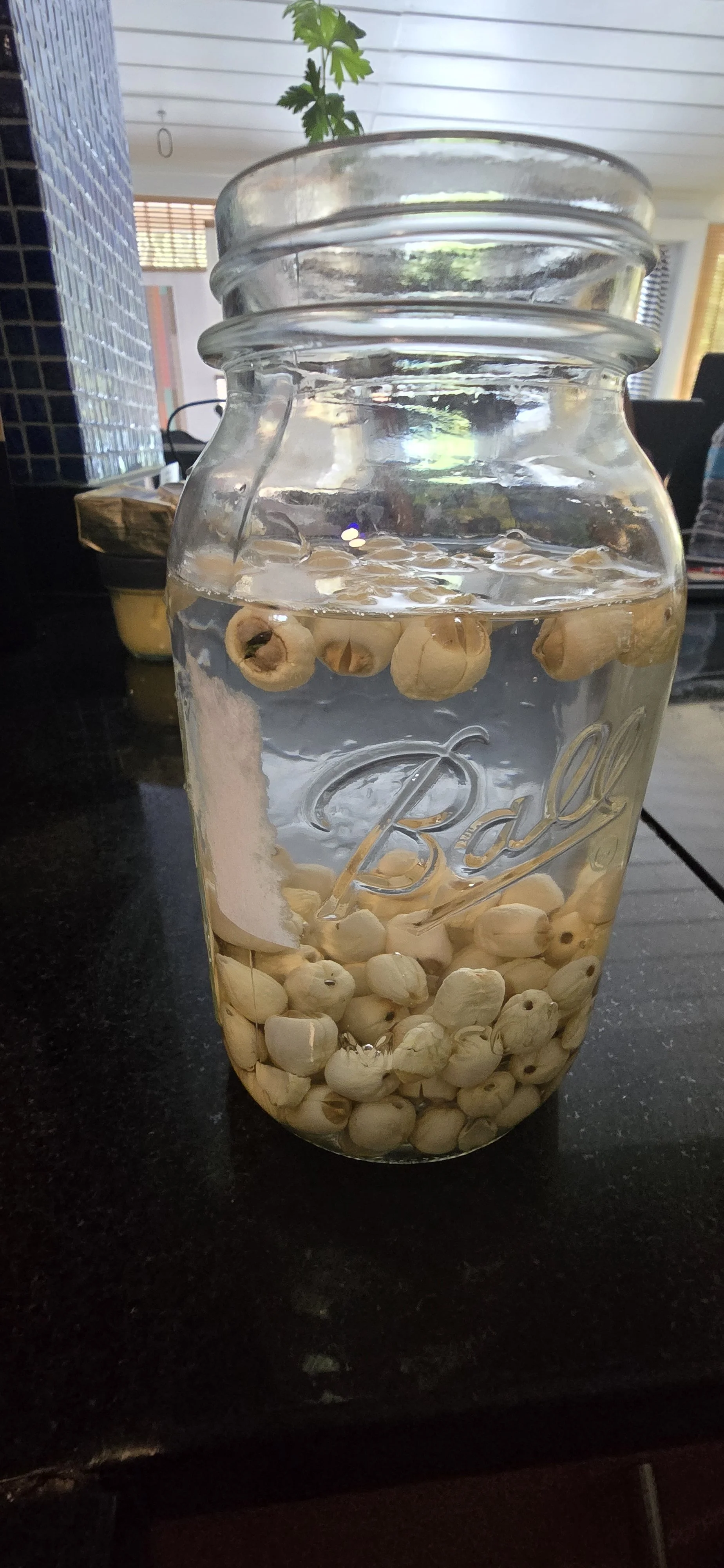
Lotus Seeds (Lian Zi) Gentle Support During Cancer Care
Lotus Seeds (Lian Zi) in TCM: Gentle Support During Cancer CareLotus seeds, known as Lian Zi in Traditional Chinese Medicine, have been used for centuries as a nourishing, calming food-herb. Sweet and neutral in nature, they gently tonify the Spleen, Kidney, and Heart while calming the mind. How Lotus Seeds Help Cancer PatientsCancer treatments (chemotherapy, radiation, immunotherapy) often cause several distressing symptoms that lotus seeds can help ease:
Poor Appetite & Digestive Weakness
Lotus seeds strengthen Spleen Qi and stop diarrhea. They are easy to digest and help restore appetite when treatments cause nausea or loose stools.
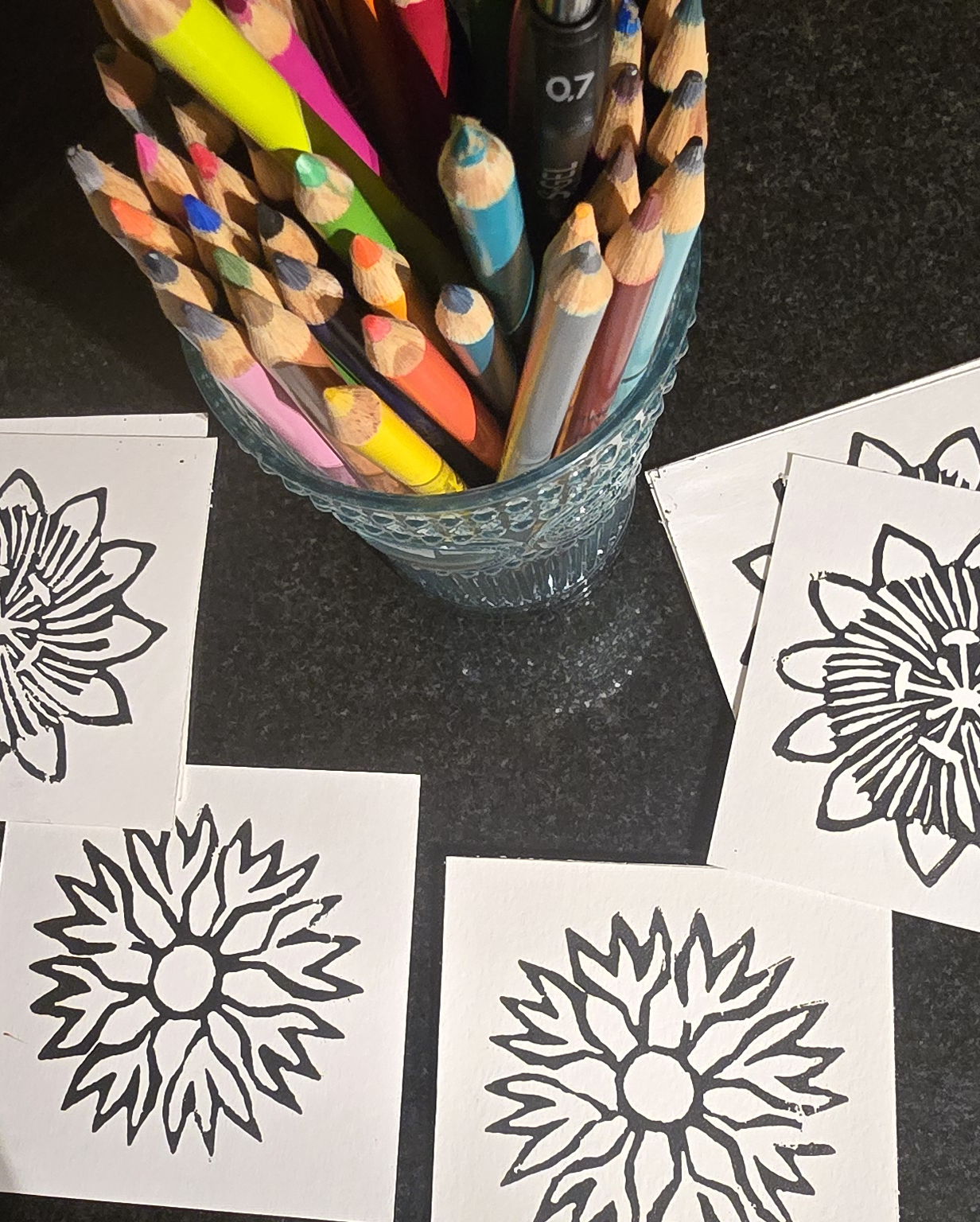
Art Therapy for Cancer Symptom Help
Five Element Art Therapy offers a gentle, integrative approach rooted in Traditional Chinese Medicine’s (TCM) Five Elements theory, Wood, Fire, Earth, Metal, and Water. Each element corresponds to specific emotions, organs, colors, seasons, and energies. Through guided creative processes (using color, texture, movement, and symbolism in art-making), participants can restore balance, express what words cannot, and support holistic well-being.