

NADA Protocol, Auricular Needles
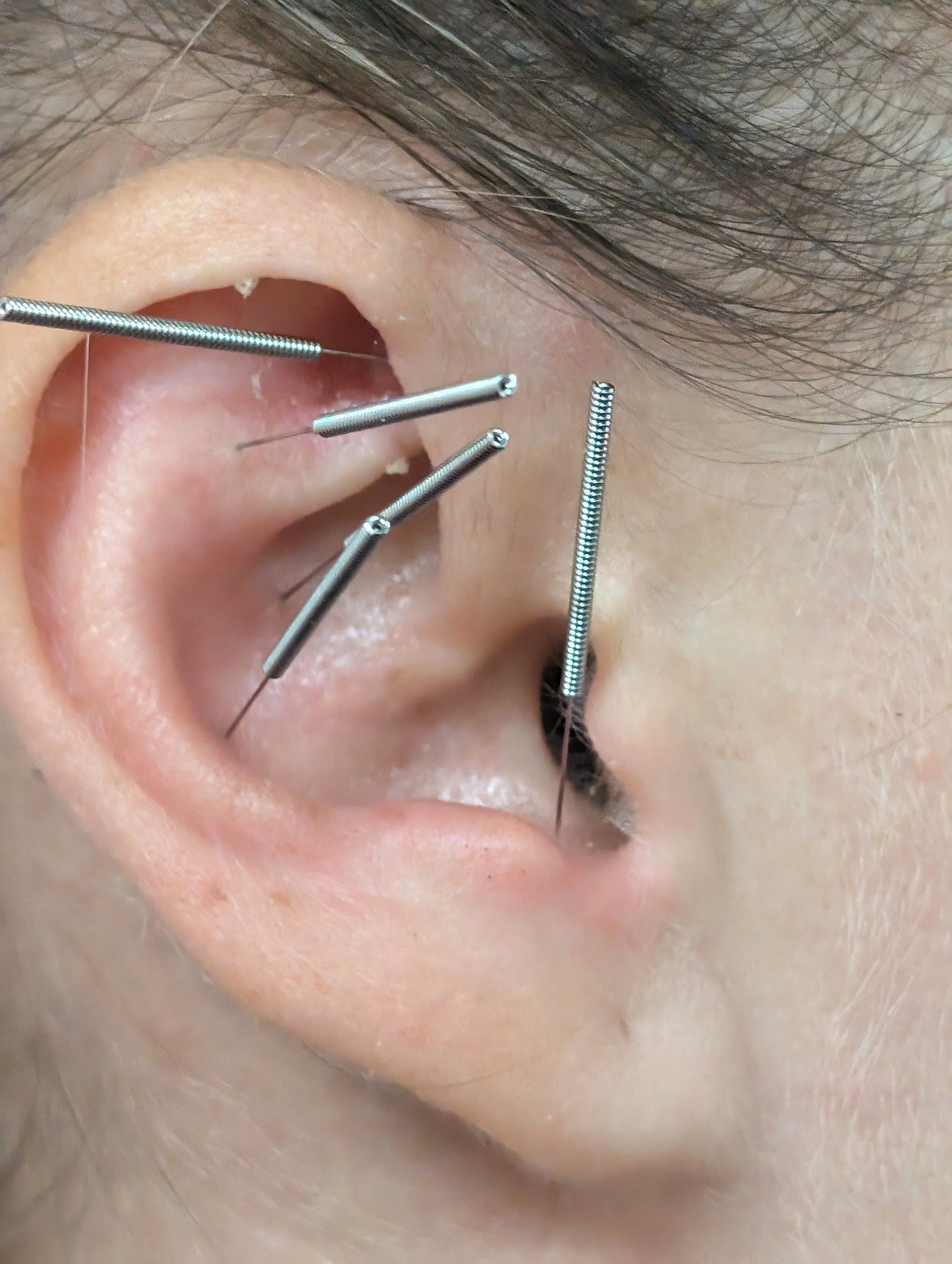
The NADA (National Acupuncture Detoxification Association) protocol is a standardized, five-point auricular acupuncture treatment developed in the mid-1970s at Lincoln Hospital in the South Bronx, New York, during an opioid epidemic. It was created as a simple, cost-effective, drug-free adjunct therapy to support detoxification and recovery from substance use disorders. The protocol uses gentle insertion of up to five fine, sterile, disposable needles into specific points on the outer ear (auricle) of both ears. No electrical stimulation is applied. Clients typically sit quietly in a group setting for 30–45 minutes while the needles remain in place, allowing the treatment to promote deep relaxation and physiological balance. This non-verbal, client-centered approach has since expanded far beyond addiction to address trauma, anxiety, PTSD, stress, mental health conditions, and emotional imbalances in diverse community and clinical settings worldwide.
The five core points in the NADA protocol work synergistically to calm the nervous system, nourish Yin energy, and support the body’s natural healing processes:
Sympathetic (Autonomic point): Balances the sympathetic and parasympathetic nervous systems, reduces fight-or-flight responses, promotes relaxation, and provides strong analgesic effects on internal organs.
Shen Men (Spirit Gate or Divine Gate): Calms the mind, reduces anxiety and agitation, regulates excitation/inhibition in the cerebral cortex, and anchors the Shen (spirit) for emotional and spiritual centering.
Kidney: Strengthens willpower, calms fears, supports organ healing and essence (Jing), and aids in renewal and resilience.
Liver: Facilitates detoxification and blood purification, moves stagnant Qi, reduces anger and aggression, and promotes emotional flow.
Lung: Supports “letting go” of grief and emotional burdens, promotes aeration and release of toxins, and helps with respiratory and skin-related issues.
Practitioners may use all five points or fewer (often starting with three), depending on the individual’s needs and tolerance. Treatments are typically offered frequently—sometimes daily during acute withdrawal or crisis periods—and can incorporate ear seeds or beads for ongoing stimulation between sessions. The protocol is considered safe, accessible, and culturally adaptable. It is often delivered by trained AcuDetox Specialists in group formats, making it ideal for community programs, shelters, prisons, disaster response, and integrated behavioral health care. Research and clinical experience show benefits including reduced cravings, milder withdrawal symptoms, improved sleep, decreased anxiety, and better engagement in counseling and recovery work.
Overall, the NADA protocol embodies a holistic, yin-nourishing approach that addresses the physical, emotional, and spiritual dimensions of addiction and trauma. Its simplicity and effectiveness have made it one of the most widely used standardized acupuncture interventions globally.