

Neuropathy in Cancer: Incidence of Neuropathy by Chemotherapy Agent
Neuropathy in Cancer: Incidence of Neuropathy by Chemotherapy Agent
Chemotherapy-induced peripheral neuropathy (CIPN) is one of the most common and challenging side effects of cancer treatment. It typically causes sensory symptoms such as numbness, tingling, burning pain, or sensitivity to cold in the hands and feet (often in a “stocking-glove” distribution), and in some cases motor weakness or autonomic issues. CIPN can limit chemotherapy doses, affect quality of life, and persist long after treatment ends.
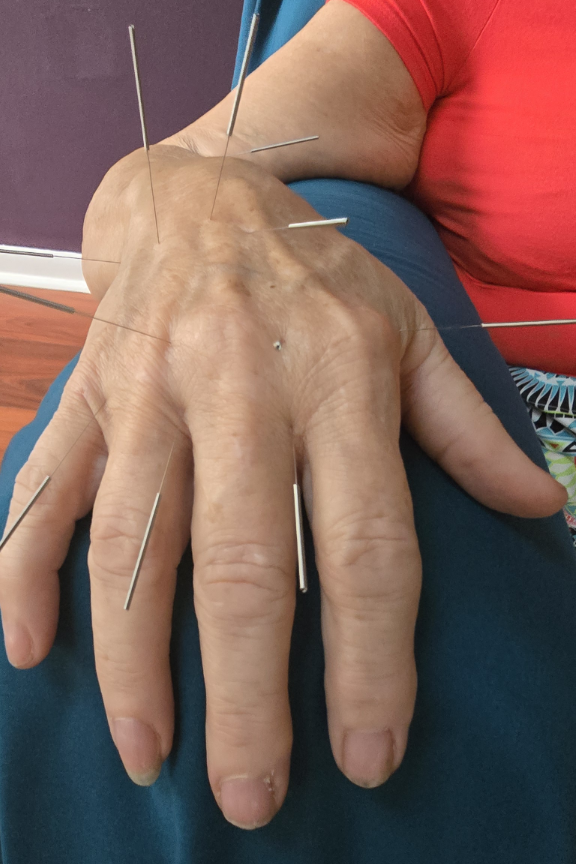
Overall, roughly 30–40% of patients receiving neurotoxic chemotherapy develop CIPN, with rates as high as 60–70% in the first month after treatment in some studies; chronic symptoms remain in about 30–40% of cases months later. Incidence varies widely depending on the specific agent, cumulative dose, schedule, combination therapies, and patient factors (age, diabetes, preexisting neuropathy).
Incidence by Common Agents
Taxanes such as paclitaxel show an overall incidence around 60% (severe or grade 3+ often about 3% or higher depending on dose and schedule; weekly regimens can increase risk). Docetaxel generally carries a lower rate around 15%. Taxanes disrupt microtubules essential for nerve function; combination with platinum agents can push rates higher (around 70%).
Platinum agents include oxaliplatin, which has high rates frequently 70% or more (acute cold-triggered symptoms are characteristic; chronic sensory neuropathy is common). One study reported about 74%. Cisplatin shows variable rates often in the 30–50% range (about 36% in one cohort) and is cumulative and dose-dependent. Carboplatin generally has lower risk than cisplatin or oxaliplatin. Platinums accumulate in dorsal root ganglia and can cause persistent damage.
Vinca alkaloids such as vincristine are commonly associated with sensory and motor neuropathy. Rates vary by dose and duration but are significant, especially in regimens for hematologic malignancies. Autonomic symptoms can also occur.
Other agents include bortezomib (a proteasome inhibitor), which carries notable neuropathy risk, particularly sensory. Additional drugs such as epothilones, eribulin, and thalidomide analogs also contribute, with rates depending on exposure.
Reported overall ranges for neurotoxic agents span roughly 19% to more than 85%, reflecting differences in study definitions, grading, and patient populations.
Why Rates Differ and What Patients Should Know
Higher cumulative doses, certain schedules (weekly paclitaxel), and combination regimens increase risk. Symptoms may improve after stopping the drug but can become permanent in a substantial minority of patients. Early reporting of tingling, numbness, or pain allows clinicians to adjust treatment when possible.
CIPN remains an area of active research for prevention and management strategies. Patients undergoing chemotherapy with these agents benefit from close monitoring and open communication with their oncology team. This overview is for informational purposes; individual risk and management should always be discussed with a oncologist team professional. Discuss the advantages of acupuncture for helping with cancer treatment symptoms with your licensed acupuncturist.