

Bone Health during Chemo and Radiation treatments
Lifestyle for Strong Bones During Cancer Treatment
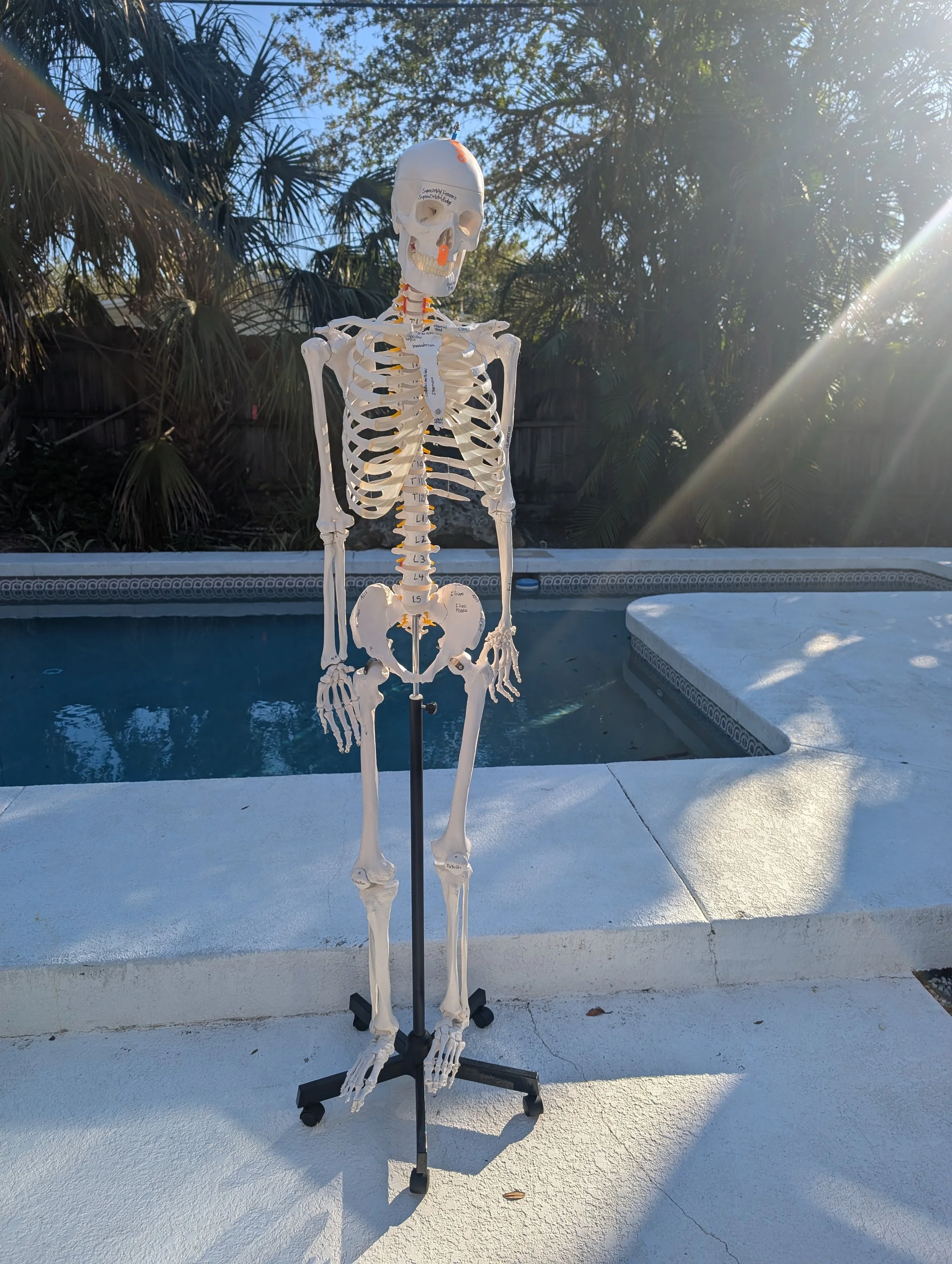
In Traditional Chinese Medicine the Kidneys store essence that builds and maintains strong bones. Cancer treatments can deplete this essence and weaken the skeletal system so daily habits must carefully protect and rebuild it.
Choose warm nourishing foods that support the Kidneys and Spleen such as bone broth black sesame seeds walnuts black beans cooked leafy greens and easily digested proteins. Eat small frequent meals of soft warm dishes to protect digestion while treatments challenge the body. Limit cold raw foods excess sweets and greasy items that further tax the system.
Prioritize deep rest and quality sleep because essence rebuilds most effectively at night. Practice very gentle movement such as slow walking or simple Qi Gong when energy allows to keep Qi circulating without exhaustion. Manage stress through quiet breathing and calm activities so the Liver does not draw from Kidney reserves.
Conserve energy by avoiding overwork and moderating activity levels. These steady supportive choices help maintain bone strength and overall resilience throughout treatment. Always coordinate with your oncology team for personalized safety.
Acupuncture for Bone Pain: Evidence Summary
Acupuncture shows promise as a complementary therapy for certain types of bone pain, particularly cancer-induced bone pain (CIBP) and osteoporosis-related pain. Evidence quality varies and is often limited by study design issues, but systematic reviews support benefits for pain relief and, in some cases, bone density.
Cancer-Induced Bone Pain (CIBP)
Bone metastases commonly cause mixed nociceptive and neuropathic pain that is hard to control with standard analgesics alone.
A 2022 systematic review and meta-analysis of 13 randomized controlled trials (1,069 patients) found that acupuncture added to conventional treatment significantly reduced pain intensity (mean difference −1.34 on standard scales), increased the pain relief rate, reduced breakthrough pain frequency, shortened time to pain relief, prolonged analgesic duration, and improved quality of life. It also appeared to lessen some opioid-related side effects.
Osteoporosis-Related Pain and Bone Health
Multiple systematic reviews and meta-analyses indicate acupuncture (often combined with moxibustion) can:
Reduce pain (significant drops in visual analog scale scores).
Improve bone mineral density (BMD) at the lumbar spine, femoral neck, hip, and other sites.
Enhance overall clinical efficacy and symptoms when used as an adjuvant to standard care (calcium, vitamin D, etc.).
Effects on BMD appear modest but consistent in postmenopausal and primary osteoporosis populations. Pain relief can persist for months in some studies.
Possible Mechanisms
Research (including animal models) suggests acupuncture may:
Stimulate endorphin and other endogenous pain-relieving substances.
Improve local blood flow and reduce inflammation.
Regulate bone metabolism pathways (Wnt/β-catenin, OPG/RANKL).
Promote osteoblast activity while moderating osteoclasts.
Influence hormone levels (e.g., estrogen, testosterone) relevant to bone maintenance.
Modulate central and peripheral nervous system pain signaling.
In Traditional Chinese Medicine terms, bone pain often relates to Kidney deficiency (essence depletion) or Qi and Blood stagnation; points are selected to tonify the Kidneys, move Qi/Blood, and open channels.
Practical Considerations and Safety
Acupuncture is generally safe when performed by a trained practitioner using sterile needles. Minor side effects (bruising, temporary soreness) are common; serious events are rare. In cancer patients it is typically used alongside (not instead of) opioids, bisphosphonates, radiotherapy, or other standard care. Practitioners should coordinate with the oncology or primary care team, especially if the patient has low platelet counts, neutropenia, or bone metastases with fracture risk.
Treatment protocols vary (manual acupuncture, electroacupuncture, warm needle, etc.). Sessions are often 1–3 times weekly initially. Common points for bone-related issues include those along the Bladder, Kidney, and Governing Vessel channels, plus local Ashi points, though selection is individualized.
Bottom Line
Acupuncture can help reduce bone pain intensity and improve function or quality of life as part of a multimodal approach, with the strongest current support for cancer-related bone pain (as an add-on) and osteoporosis-related pain plus modest BMD benefits. It is not a standalone cure or replacement for conventional medical management of fractures, metastases, or severe osteoporosis. Larger, higher-quality trials are still needed.
Always consult a qualified acupuncturist experienced with the relevant condition and discuss it with your physician before starting, particularly during active cancer treatment or if you have bleeding risks or implanted devices.