

Wildflower Essences for Cancer Life Support
Native Plant Flower Essences for Quality of Life in Cancer Recovery and Supportive Care
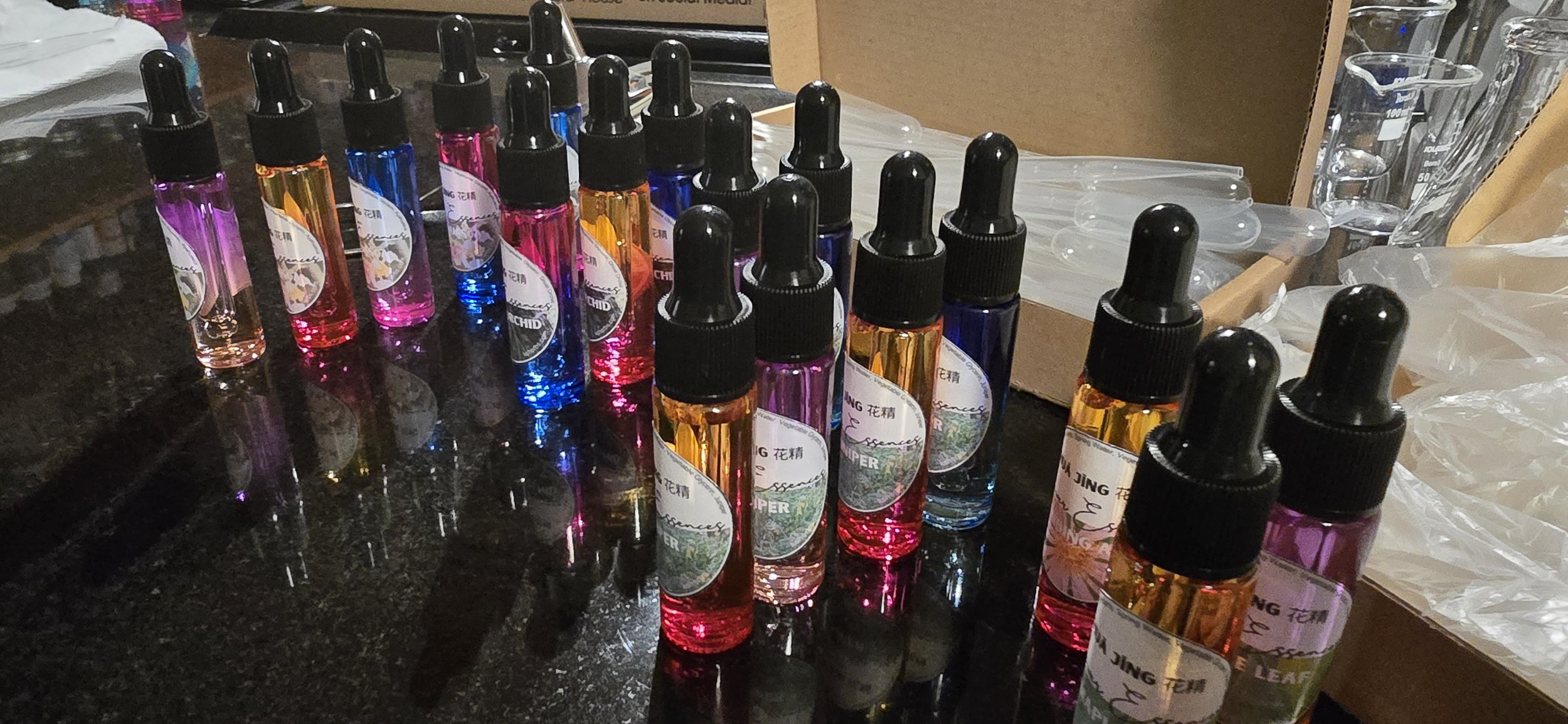
Native plant flower essences offer a gentle complementary approach that many people explore to support emotional balance and overall sense of well being during cancer recovery or when choosing non surgical paths. These essences capture the vibrational imprint of flowers from local plants and are traditionally prepared in ways that echo ancient practices of gathering pure natural waters. While they are not a treatment for cancer itself, their focus on emotional and energetic support can help ease stress, promote calm, and enhance daily quality of life alongside conventional care or watchful waiting approaches.
The practice of collecting dew from flowers has deep roots in Traditional Chinese Medicine and classical Chinese culture. In the Ben Cao Gang Mu, Li Shizhen describes various forms of dew, including autumn dew from the tips of hundreds of herbs and dew gathered from the surfaces of many flowers. These were valued for their purity and associated with improving complexion, quenching thirst, and supporting longevity. Historical accounts note practices such as Yang Guifei gathering and consuming morning dew from flowers to ease thirst and clear residual effects of wine. Taoist traditions further linked dew to the sustenance of immortals who lived on mountains and sipped dew as part of refined cultivation. Flower water, or hua shui, appears in Ming dynasty dietetic texts as a neutral and non toxic substance useful for relieving thirst. Collecting morning dew directly from flower petals was seen as capturing the fresh, ascending energy of the plant at its peak vitality, a method that parallels the original inspiration for modern flower essence preparation. Dr. Edward Bach later formalized a similar process of gathering dew or creating sun infused flower waters, which continues to influence contemporary native plant essence makers who work with local blooms.
In modern preparation, native plant flower essences are typically made by floating flowers in pure water under sunlight or through other careful methods that transfer the plant’s subtle qualities into the liquid. For those seeking alcohol free options, some makers including brands focused on gentle formulations use glycerin based glycerates or witch hazel as the preservative base. Glycerites provide a sweet tasting, alcohol free extract suitable for people sensitive to alcohol or those preferring milder preparations. Witch hazel can serve as an alternative solvent that offers its own mild astringent qualities while keeping the product free of ethanol. These non alcoholic versions maintain the essence’s accessibility for long term use during recovery periods when digestive sensitivity or medication interactions may be considerations. Such preparations allow consistent daily support without the warming or dispersing effects that alcohol based tinctures might introduce.
Flower essences can be used either through ingestion or topical application, depending on preference and context. Oral use usually involves placing a few drops under the tongue or diluting them in water several times a day, allowing the subtle imprint to interact with the body’s internal landscape. This method is the most common for addressing emotional states such as fear, uncertainty, fatigue of the spirit, or the lingering effects of treatment.
Topical application involves adding drops to creams, applying them to acupuncture and pulse points, or incorporating them into baths and compresses. Skin application can provide localized comfort and a direct sensory connection to the plant’s presence, which some find especially soothing during recovery when the body needs gentle external support. Both routes are generally considered low risk and can be combined for broader effect. In pre cancer situations where a person elects observation rather than surgery, regular use may help maintain emotional equilibrium and a sense of agency while monitoring health.
Research on flower essences specifically for cancer related outcomes remains limited and primarily focuses on quality of life rather than disease modification. Some observational reports and practitioner collections using tools such as the Measure Your Medical Outcome Profile suggest that many users experience improvements in emotional well being. A randomized trial examining Bach flower remedies in advanced cancer patients found modest gains in certain quality of life domains such as social well being, though hope scores did not differ significantly from placebo. Systematic reviews of Bach flower remedies have generally concluded that reliable clinical trials do not demonstrate effects beyond placebo for specific psychological or physical claims.
Cancer organizations note that while essences appear safe and some people report feeling better, there is no strong evidence that they control, prevent, or cure cancer. Related complementary approaches such as mistletoe extracts or certain herbal supports have more robust data on quality of life improvements in breast cancer and other settings, yet these differ from pure flower essences. The value of native plant essences therefore lies mainly in their potential to foster calm, resilience, and a positive emotional environment during recovery or non interventional periods.
When integrating native plant flower essences, collaboration with the oncology team remains essential to ensure compatibility with any ongoing treatments or monitoring plans. Choosing locally sourced native flowers honors the land and may deepen the sense of connection that many find healing. Whether taken as drops, applied to the skin, or prepared through the time honored gathering of dew, these essences invite a quiet partnership with the natural world that can gently support the journey toward restored vitality and peace of mind.