

Reishi for Recovery After Cancer Surgery
Organic Reishi (Lingzhi) Powder in TCM: Supporting Recovery After Cancer Surgery
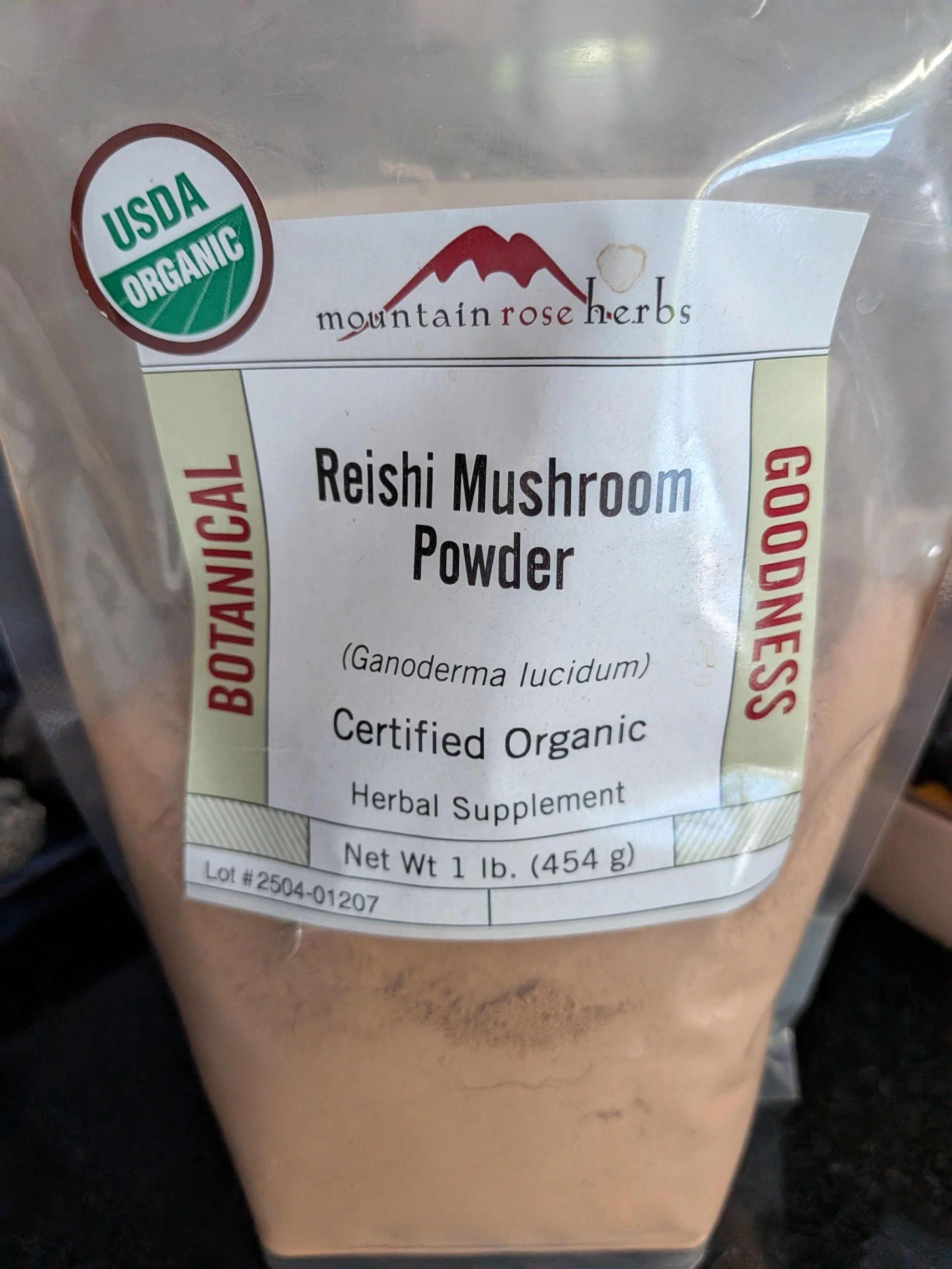
In Traditional Chinese Medicine (TCM), the body is viewed as an interconnected system of Qi, Blood, Yin, Yang, and the organs. Cancer surgery is understood as a major trauma that depletes Qi and Blood, disrupts the flow of energy, weakens the body’s upright Qi (Zheng Qi), and can leave residual stagnation, Dampness, or Phlegm. Recovery is therefore not only about wound healing but about restoring balance, strengthening the body’s defenses, calming the Spirit (Shen), and supporting the organs most affected by the procedure and the disease process.
Organic Reishi mushroom powder (Ganoderma lucidum, known as Lingzhi in TCM) has been used for centuries in TCM as a superior tonic herb. Classically described as sweet and neutral in nature, it enters the Heart, Lung, Liver, and Kidney channels. Its traditional actions include tonifying Qi, nourishing Blood, calming the Shen, transforming Phlegm, and supporting overall vitality without being overly harsh or drying. From a TCM perspective, these qualities make it a frequently considered supporting herb for patients recovering from major surgery, including cancer-related procedures.
How Surgery Affects the Body in TCM Terms
Cancer surgery often involves significant blood loss, tissue trauma, anesthesia, and stress. In TCM this commonly manifests as:
Qi and Blood deficiency (fatigue, pale complexion, shortness of breath, weak pulse)
Stagnation of Qi and Blood (pain, swelling, poor circulation at the surgical site)
Weakened Wei Qi (defensive energy), leading to increased susceptibility to external pathogens
Disturbed Shen (anxiety, insomnia, restlessness)
Impaired Spleen and Stomach function (poor appetite, bloating, digestive weakness), and
Residual pathogenic factors or “toxins” that the body must clear while rebuilding
The goal of post-surgical herbal support is to gently tonify what has been depleted, move stagnation without forcing, calm the mind, and help the body regain its natural regulatory capacity.
Traditional Roles of Reishi in This Context
1. Tonifying Qi and supporting Zheng Qi
Reishi is regarded as a Qi tonic that helps replenish the vital energy lost during surgery. By supporting Lung and Spleen Qi, it is traditionally used to address post-operative fatigue, weakness, and low vitality. Stronger upright Qi is also thought to help the body resist opportunistic infections and support tissue repair.
2. Nourishing Blood and aiding recovery of strength
Because surgery depletes Blood, herbs that nourish Blood are valued. Reishi’s ability to gently nourish Blood is traditionally linked to improving complexion, reducing dizziness, and supporting overall recovery of physical strength.
3. Calming the Shen (Spirit)
Anxiety, insomnia, and emotional distress are common after a cancer diagnosis and surgery. Reishi has long been prized for its Shen-calming properties. In TCM terms, it helps anchor the Heart Spirit, promoting more restful sleep and emotional steadines; factors considered essential for healing.
4. Transforming Phlegm and supporting clear flow
Some classical texts note Reishi’s capacity to transform Phlegm. In the post-surgical setting this is sometimes interpreted as helping the body clear residual stagnation or pathological stasis and accumulations while the patient rebuilds.
5. Supporting the Lungs and overall resilience
Because Reishi enters the Lung channel, it is traditionally associated with supporting respiratory function and Wei Qi. This can be relevant for patients whose surgery or recovery affects breathing capacity or general resistance.
Practical Considerations from a TCM Viewpoint
Organic Reishi powder is typically prepared as a fine, concentrated form of the fruiting body or mycelium. In classical use, Reishi is often decocted for long periods or taken as a powder/extract over weeks to months rather than as an acute remedy. Practitioners may combine it with other herbs tailored to the individual’s pattern (for example, Qi tonics if Spleen Qi is weak, or Blood movers if stagnation predominates). Dosage and duration are individualized; self-prescription is not advised.
Because cancer patients frequently receive concurrent Western treatments (chemotherapy, radiation, targeted therapies, or medications that affect clotting, immunity, or liver enzymes), any herbal addition—including Reishi—must be discussed with the oncology team and a licensed Acupuncturist Potential interactions and the patient’s current constitution must be carefully evaluated.
Important Caveat
In the TCM framework, recovery after cancer surgery is a process of carefully restoring Qi and Blood, calming the Spirit, and helping the body regain its self-regulatory strength. Organic Reishi powder has traditionally been valued as one gentle, long-term tonic that may contribute to that process when used appropriately within a broader treatment plan.