

Acupuncture Injection Therapy and Cancer Treatment Support
Acupuncture Injection Therapy has become something many people turn to when they are working through the tough recovery phase after cancer treatments. It involves injecting small amounts of natural substances right into specific acupuncture points on the body. The idea is that this combines the benefits of traditional acupuncture with a more targeted delivery that can last longer and feel more supportive during healing. It goes a step further than standard needle work by delivering nutrients and supportive compounds straight into the points where they can influence the body’s recovery pathways more directly. Many people navigating the aftermath of cancer treatments find this method especially helpful because the effects often build steadily over a series of sessions rather than fading quickly. The points chosen usually relate to energy circulation digestion immune function and pain pathways so the injections can address several recovery hurdles at once.
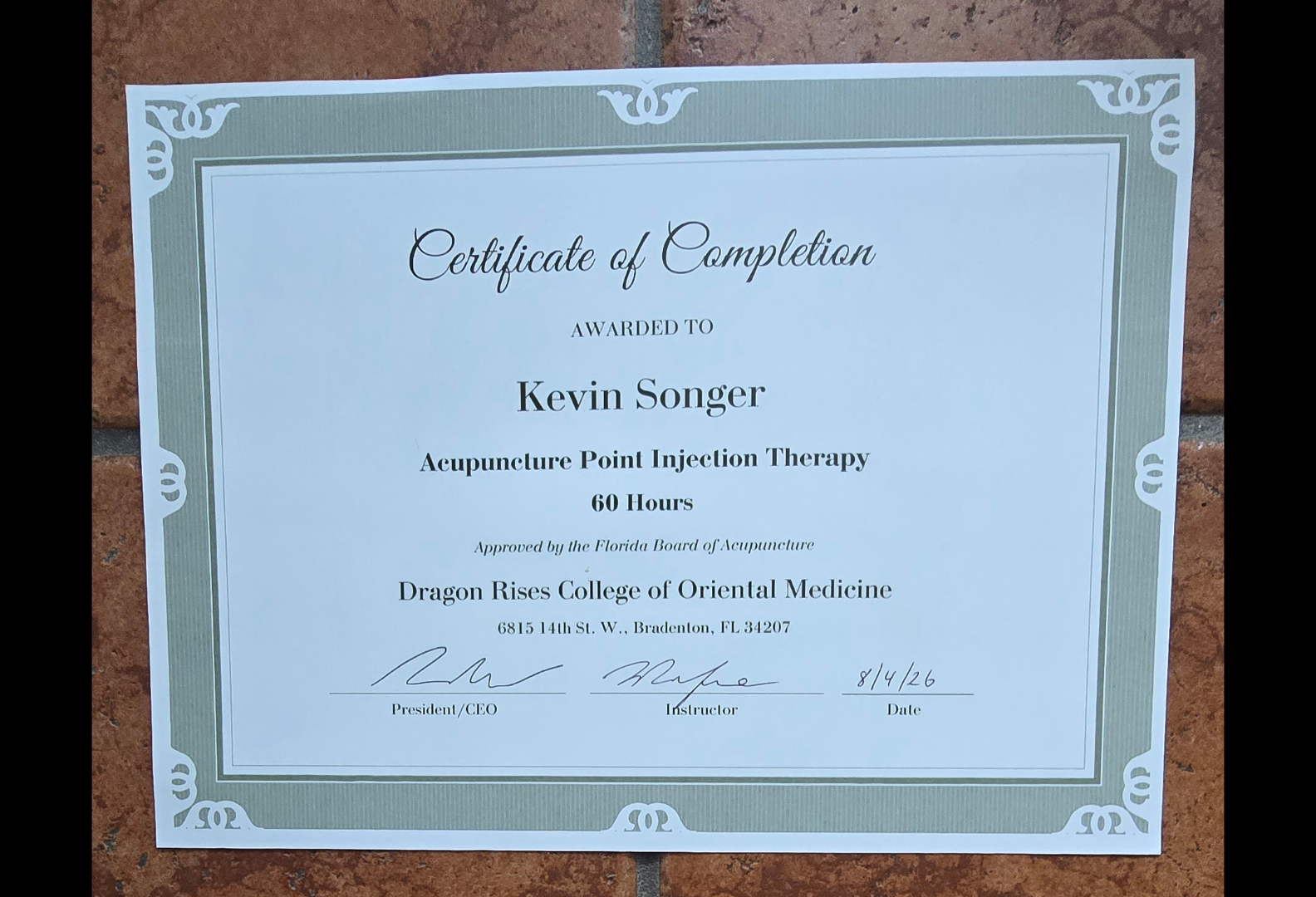
Patients often notice it helps ease the lingering pain that comes with surgery chemo or radiation. Instead of just masking discomfort it seems to work with the body’s own systems to calm inflammation and settle nerve signals that stay overactive after treatment. A lot of folks also report less nausea and better appetite which can make a real difference when the body needs solid nutrition to rebuild strength. Fatigue is another big challenge during recovery and this approach frequently leaves people feeling more energized without the jittery side effects of stimulants. Sleep quality tends to improve too which gives the immune system a better chance to do its job. Some find their mood lifts and anxiety softens because the treatments help regulate stress responses that stay elevated long after the hospital visits end.
B vitamin injections show up frequently in these protocols. Practitioners often use forms of B12 or a broader B complex because chemotherapy and radiation tend to deplete these nutrients and leave patients feeling drained. When placed into points connected to vitality and nervous system balance the B vitamins appear to help restore cellular energy production ease tingling or numbness in the hands and feet and lift that heavy fatigue that lingers long after treatment ends. Patients commonly describe feeling clearer headed and more able to get through daily tasks within a few days of receiving them.
Vitamin C injections play a different yet complementary role. High amounts of this antioxidant delivered into carefully selected points can support the body’s ability to manage oxidative stress that builds up during and after conventional therapies. Many notice reduced inflammation around surgical sites or radiation fields and a general sense of resilience returning. Some clinics report that consistent C injections help stabilize white blood cell counts and make it easier for the immune system to stay active while the body rebuilds.
Glutathione injections have gained attention for their role in detoxification and cellular protection. This antioxidant works inside cells to neutralize free radicals and support liver function which can be strained by the byproducts of cancer drugs. When injected into acupuncture points linked to organ support and overall cleansing people often experience less brain fog fewer digestive upsets and a smoother recovery from the cumulative toxic load. It pairs well with the vitamin injections because the combination seems to enhance the body’s own repair mechanisms without adding extra strain.
Other substances commonly used in these sessions include magnesium for muscle relaxation and better sleep quality homeopathic combinations aimed at reducing residual pain and swelling and occasionally amino acid blends that assist tissue repair. Some practitioners incorporate diluted botanical extracts known for gentle immune modulation. The choice of what to inject depends on the individual’s symptoms lab results and the stage of recovery so sessions stay personalized. The overall experience tends to feel restorative rather than aggressive and many who continue the therapy over weeks notice improved stamina steadier moods and a greater capacity to engage with physical therapy or everyday life again.
It is important to remember this is meant as a supportive tool alongside regular medical care rather than a replacement. Working with a practitioner who understands both acupuncture and oncology needs keeps everything coordinated and safe. Of course this approach always should be coordinated with the primary oncology team so everything remains aligned with the broader treatment plan. Many people who try it say the sessions themselves feel calming and the gradual improvements in comfort and vitality make the whole recovery process feel more manageable day by day.
Talk with us about the AIT therapy and we will be glad to coordinate with your Oncology team!